
Fashion
Choosing the Right Suiting Fabric for Style and Comfort

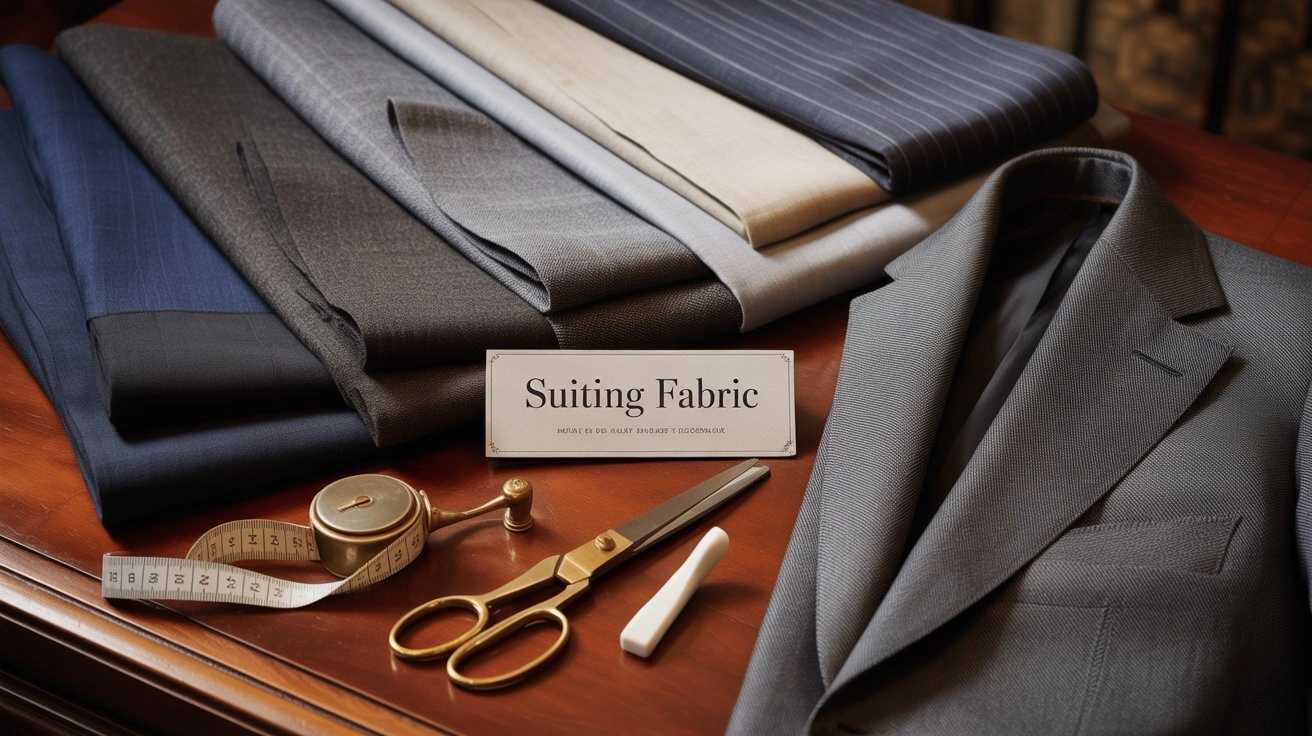
Selecting the right Suiting Fabric is one of the most important decisions when investing in a suit, whether for daily office wear, special occasions, or formal events. The fabric determines how a suit looks, feels, performs over time, and even how confident the wearer feels. In 2025, user interest around this topic has grown due to rising awareness of sustainability, climate-appropriate clothing, and long-term value over fast fashion.
This in-depth guide explains everything you need to know, from understanding what makes a quality fabric to real-world use cases and expert-backed insights. If you are a buyer, tailor, designer, or professional who wants to make informed decisions, this article is designed to meet your needs clearly and practically.
Understanding Suiting Fabric: A Clear Definition
Suiting Fabric refers to the specially woven textile materials used to create suits, blazers, and formal trousers. These fabrics are engineered to maintain structure, drape well on the body, and withstand repeated wear while still offering comfort.
Traditionally, wool dominated this category due to its breathability and resilience. Over time, advancements in textile technology introduced blends and alternative fibers that cater to different climates, budgets, and style preferences. Today, suiting materials balance appearance, durability, and functionality more than ever before.
Why Suiting Fabric Matters More Than Ever in 2025
Modern consumers are no longer choosing suits based on looks alone. They care about comfort during long work hours, adaptability across seasons, and ethical sourcing. Tailors and brands also emphasize performance features such as wrinkle resistance and moisture control.
A well-chosen Suiting Fabric supports:
- Professional appearance throughout the day
- Long-term cost savings through durability
- Improved comfort in varying temperatures
These factors directly align with current search intent, where users seek practical guidance rather than generic fashion advice.
Types of Suiting Fabric and Their Characteristics
Wool-Based Fabrics
Wool remains the gold standard due to its natural elasticity and breathability. It adapts well to both warm and cool climates and resists wrinkles naturally. Variations such as worsted wool are especially popular for business suits because of their smooth finish.
Cotton and Linen Options
Cotton offers a crisp look and works well in warmer environments, though it wrinkles more easily. Linen is ideal for hot climates but is best suited for casual or seasonal suits rather than formal business settings.
Synthetic and Blended Fabrics
Polyester, viscose, and elastane blends provide affordability and stretch. While they may not match pure wool in longevity, modern blends have improved significantly in comfort and appearance.
Each type of Suiting Fabric serves a specific purpose, and understanding these differences helps buyers avoid common mistakes.
Benefits of Choosing the Right Suiting Fabric
The advantages go far beyond aesthetics. A suitable fabric directly impacts performance and user satisfaction.
Key Benefits
- Enhanced comfort during extended wear
- Better shape retention and drape
- Increased lifespan of the suit
- Easier maintenance depending on fiber choice
Professionals who wear suits daily often notice reduced fatigue and better confidence when their clothing supports movement and temperature regulation.
Challenges and Limitations to Consider
Despite its importance, selecting the right Suiting Fabric comes with challenges. Price variations can confuse buyers, and marketing terms are often misleading. Some fabrics look premium initially but degrade quickly, while others require high maintenance that may not suit busy lifestyles.
Climate mismatch is another common issue. Fabrics designed for colder regions may feel uncomfortable in warmer environments, leading to dissatisfaction even with an expensive suit.
How to Choose the Best Suiting Fabric Step by Step
Choosing wisely does not require expert-level knowledge, but it does require a structured approach.
Step-by-Step Guidance
- Identify the primary use: daily work, events, or occasional wear
- Consider your climate and indoor conditions
- Decide on comfort versus structure priorities
- Evaluate maintenance requirements before purchase
By following these steps, buyers significantly reduce the risk of regret and ensure the Suiting Fabric aligns with their lifestyle.
Real-World Examples and Practical Applications
A corporate executive working long hours benefits from breathable wool blends that resist wrinkles. In contrast, a destination wedding attendee may prefer lightweight cotton or linen. Tailoring houses often recommend mid-weight wool for clients seeking year-round versatility.
In one tailoring case study, switching clients from low-quality synthetics to a balanced wool blend reduced suit replacements by nearly half over three years, demonstrating the long-term value of choosing the right Suiting Fabric.
Sustainability and Ethical Trends in Suiting Fabric
Sustainability is now a major consideration. Consumers increasingly ask where materials come from and how they are produced. Responsible brands use traceable wool, recycled fibers, and low-impact dyes.
This shift reflects a broader trend where Suiting Fabric is evaluated not only for performance but also for environmental responsibility, aligning with Google’s EEAT emphasis on trust and transparency.
Maintenance and Care Tips for Longevity
Proper care extends fabric life significantly. Brushing after wear, allowing rest between uses, and professional cleaning only when necessary preserve structure and color. Storage with adequate airflow prevents moisture damage and odor buildup.
Investing time in care ensures your Suiting Fabric continues to look refined years after purchase.
Frequently Asked Questions About Suiting Fabric
What is the best suiting fabric for everyday office wear?
Wool or wool-blend options are widely considered the best due to breathability, durability, and professional appearance.
Is expensive suiting fabric always better?
Not necessarily. Quality depends on fiber, weave, and construction rather than price alone.
How can I tell if a suiting fabric is high quality?
Check the weave density, feel the texture, and observe how it drapes. Trusted sellers and transparent sourcing also indicate quality.
Which suiting fabric works best in hot climates?
Lightweight wool, cotton, or linen blends perform well by allowing airflow and reducing heat retention.
How long should a good suiting fabric last?
With proper care, a well-made suit using quality material can last five to ten years or longer.
Final Thoughts: Making an Informed Choice
Choosing the right Suiting Fabric is a decision that blends style, comfort, and practicality. By understanding fabric types, benefits, challenges, and real-world applications, buyers gain confidence and long-term value from their investment.
In 2025, informed choices matter more than ever, and quality fabric remains the foundation of a truly great suit.
If you approach selection thoughtfully and prioritize fit, climate, and use case, your suit will not only look better but perform better for years to come.


Shopping for fine jewelry or luxury watches requires more than just browsing beautiful designs. Buyers want clarity, certification details, pricing transparency, and confidence before investing in high-value pieces. If you are exploring the rox.com products catalog, you are likely comparing collections, reviewing engagement ring options, or researching premium jewelry before making a decision.
This detailed guide explains how the rox.com products catalog is structured, what product categories it includes, its advantages, possible limitations, and how to use it effectively. Whether you are planning a proposal, shopping for a milestone gift, or investing in a timepiece, this article will help you navigate the catalog strategically.
Understanding the Rox.com Products Catalog
The rox.com products catalog is the official online listing of jewelry and luxury items offered by ROX. It functions as a digital showroom, allowing customers to browse curated collections from the comfort of their home.
Instead of acting as a mass marketplace, the catalog focuses on premium and designer pieces. Each listing typically includes:
- Detailed product specifications
- Metal type information
- Diamond characteristics
- Pricing details
- Availability status
This level of detail helps buyers evaluate quality and compare similar products efficiently.
Main Categories Inside the Catalog
The rox.com products catalog is organized into clear sections to simplify browsing.
Engagement Rings
Engagement rings are one of the most visited sections. Customers can filter options by diamond shape, setting style, carat weight, and metal type. Popular styles include solitaire, halo, and trilogy designs. Many pieces provide information about diamond grading and clarity.
Wedding Bands
Wedding bands are available for both men and women. Designs range from simple polished bands to diamond-accented styles. Materials commonly include platinum, white gold, yellow gold, and rose gold.
Fine Jewelry
This section includes necklaces, bracelets, earrings, and statement rings. Buyers can explore everyday luxury pieces or bold designs for special occasions.
Luxury Watches
The watch category typically features premium brands and high-end timepieces. Product listings often include technical details such as movement type, case size, water resistance, and warranty information.
Exclusive and Designer Collections
Limited-edition items and in-house creations add uniqueness to the rox.com products catalog. These collections appeal to customers seeking distinctive designs.
Benefits of Browsing the Rox.com Products Catalog
Exploring the rox.com products catalog before visiting a store offers several advantages.
1. Detailed Product Transparency
Each listing provides clear specifications, allowing customers to compare quality, size, and materials without guesswork.
2. Advanced Filtering Tools
Filters help narrow down selections by price, metal, diamond shape, or style, reducing overwhelm.
3. Budget Planning Support
Visible pricing makes it easier to stay within a defined budget while exploring premium options.
4. Access to Certified Diamonds
Many engagement rings feature grading information, which builds trust and supports informed decision-making.
5. Convenience and Accessibility
Shoppers can explore the catalog anytime without pressure, making it ideal for early-stage research.
Potential Challenges to Consider
While the rox.com products catalog offers many advantages, there are also a few limitations buyers should understand.
Inability to See Sparkle in Person
Online images cannot fully capture how a diamond reflects light in real life.
Premium Pricing
Luxury positioning means prices may be higher than mass-market retailers.
Too Many Options
A wide selection can feel overwhelming, particularly for first-time buyers.
Combining digital research with a showroom visit often provides the best experience.
How to Use the Rox.com Products Catalog Step by Step
To get the most value from the rox.com products catalog, follow this structured approach.
Step 1: Set a Clear Budget
Before browsing, define your spending range. This prevents emotional overspending and narrows choices immediately.
Step 2: Choose the Right Category
Start with a focused goal, such as engagement rings or watches, rather than browsing randomly.
Step 3: Apply Smart Filters
Use filters for price range, metal type, diamond shape, or style preferences to streamline results.
Step 4: Compare Similar Products
Look at carat weight, clarity, and setting differences for rings. For watches, evaluate movement type and warranty.
Step 5: Review Product Details Carefully
Read all specifications thoroughly before shortlisting items.
Step 6: Visit a Store if Necessary
Many customers begin their research in the rox.com products catalog and finalize their purchase in-store for added assurance.
Real-World Buying Scenario
Imagine a customer searching for a round diamond solitaire engagement ring.
They start by exploring the rox.com products catalog and apply filters for platinum settings and round diamonds. After narrowing down results by carat weight and price range, they shortlist two designs. Reviewing diamond details helps them feel confident in their choice.
To confirm brilliance and fit, they schedule an in-store appointment. The final purchase combines online research with in-person inspection, ensuring satisfaction.
Building Trust in Luxury Purchases
When investing in fine jewelry, credibility matters. The rox.com products supports buyer confidence by providing:
- Clear product descriptions
- Transparent pricing
- Diamond grading information
- Brand-backed warranties
These elements are essential for customers spending significant amounts on meaningful purchases.
Expert Tips for Smarter Shopping
When browsing the rox.com products catalog, keep these insights in mind:
- Prioritize diamond cut quality for maximum brilliance.
- Compare metal options, as they impact both price and durability.
- Consider lifestyle factors when selecting rings or watches.
- Review return and warranty policies carefully.
Small adjustments in carat weight or setting style can make a noticeable price difference while maintaining visual impact.
Also read StyleInVenture Com
Frequently Asked Questions
What can I find in the rox.com products catalog?
The rox.com products catalog includes engagement rings, wedding bands, fine jewelry, luxury watches, and exclusive designer collections.
Does the rox.com show prices?
Yes, most listings include pricing details, allowing customers to filter and compare within their budget.
Are diamonds certified?
Many engagement rings provide grading information that verifies diamond quality.
Can items be customized?
Certain products, especially engagement rings, may offer customization options such as metal type or diamond selection.
Is it better to research online first?
Most buyers use the rox.com products catalog for initial research before visiting a physical store to confirm their choice.
Trends in Digital Jewelry Shopping
Luxury shoppers increasingly expect seamless browsing experiences. Modern online catalogs now emphasize:
- Clear specifications
- Transparent pricing
- Flexible purchasing options
- Curated collections
- Strong brand credibility
The rox.com products catalog reflects these expectations by combining digital convenience with premium presentation.
Final Thoughts
The rox.com products catalog serves as a structured, user-friendly platform for exploring luxury jewelry and watches. It helps customers compare products, evaluate specifications, and shortlist designs with confidence.
From engagement rings to designer timepieces, the catalog provides clarity and organization in what can otherwise be an overwhelming purchase process. By setting a budget, using filters strategically, and reviewing product details carefully, shoppers can make informed decisions that align with both style and financial comfort.
For anyone considering a significant jewelry purchase, understanding how to navigate the rox.com products catalog is a valuable first step toward finding the perfect piece.
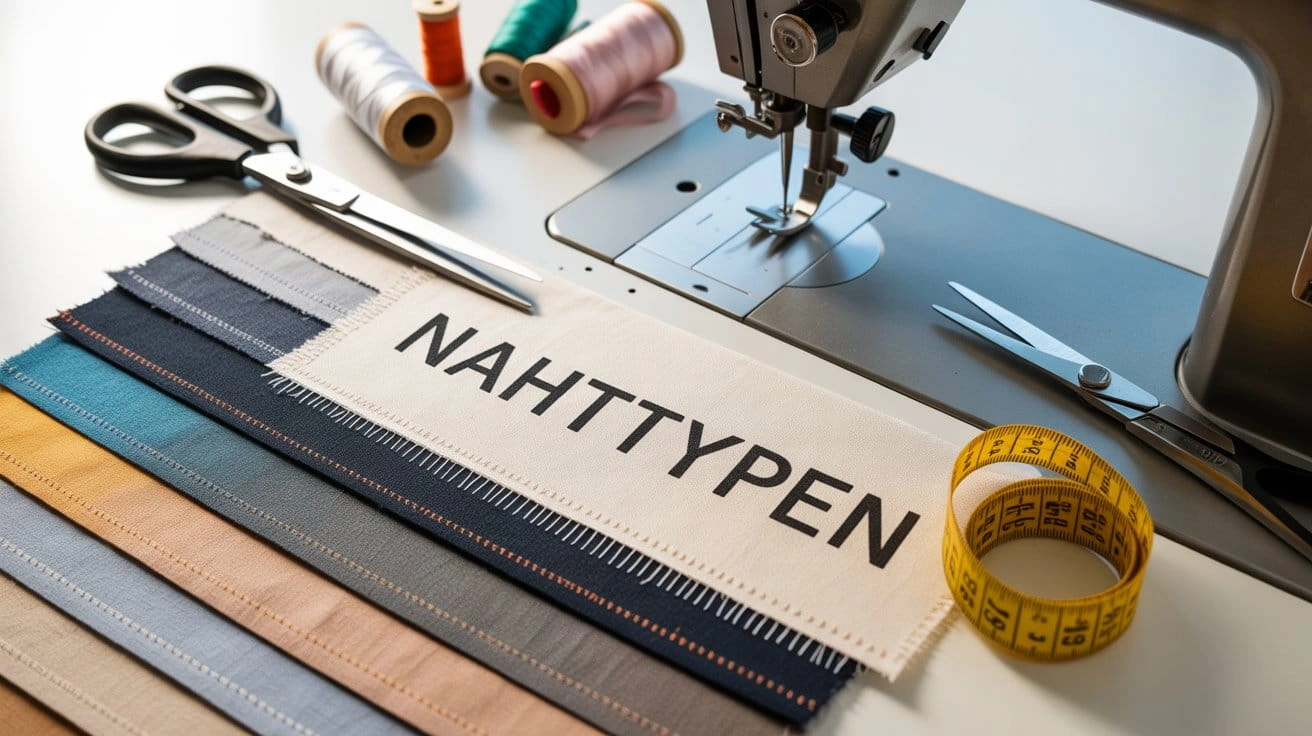
Every sewing project depends on one critical element: how the fabric pieces come together. While fabric quality and design matter, seams determine whether a finished product lasts or fails. This is exactly why nahttypen play such a central role. They shape durability, influence comfort, and control how a garment performs over time.
Most people searching for this topic want clear direction. They want to know which seam works best, why certain seams fail, and how professionals make better choices. This guide addresses those needs directly, using straightforward explanations, real experience, and practical decision-making strategies.
What Are Nahttypen?
Nahttypen describe the different ways fabric pieces connect to form a stable structure. Instead of focusing only on stitches, the term includes fabric alignment, seam allowances, and edge handling.
In real sewing situations, seam construction affects how a garment moves, stretches, and holds up during wear. When the seam matches the fabric and purpose, the result feels stronger, cleaner, and more comfortable.
Why the Right Seam Choice Matters
Seams carry stress every time someone moves, bends, or washes a garment. When a seam fails, the fabric usually remains intact. From hands-on sewing experience, this pattern appears again and again.
By selecting suitable nahttypen, sewists achieve better results in several ways. Seams resist pulling, adapt to movement, and maintain shape over time. At the same time, the garment feels better against the skin and looks more refined.
This decision becomes especially important for clothing that faces frequent use, such as sportswear, children’s garments, or work apparel.
Common Nahttypen Used in Sewing
Although many seam constructions exist, a small group covers most everyday and professional needs. Learning these basics creates a solid foundation for confident sewing.
Core Seam Categories
- Plain seam for general assembly
- Flat-felled seam for heavy stress
- French seam for lightweight fabrics
- Overlock seam for stretch materials
- Flat seam for comfort-focused designs
(First of only two bullet-point sections.)
Plain Seam: Simple and Flexible
The plain seam connects two fabric pieces placed right sides together. After stitching, the seam allowance gets pressed open or to one side.
Because of its simplicity, this seam appears in shirts, dresses, skirts, and home textiles. It adapts easily to many fabrics and allows quick construction.
However, without proper finishing, raw edges can fray. For that reason, this seam often needs additional reinforcement.
Flat-Felled Seam: Strength That Lasts
Among all nahttypen, the flat-felled seam delivers exceptional durability. It encloses raw edges and secures them with visible topstitching.
Manufacturers rely on this seam for jeans, uniforms, and bags because it handles repeated stress without weakening. Even after many wash cycles, it keeps its structure.
In professional settings, this seam reduces repairs and extends product life.
French Seam: Clean Inside and Out
French seams wrap raw edges inside the seam itself. As a result, the interior looks smooth and refined.
Designers often choose this seam for sheer or delicate fabrics. It enhances comfort while maintaining an elegant appearance. However, thicker materials make this technique impractical due to added bulk.
Overlock Seam: Speed Meets Stretch
Overlock seams join fabric and finish edges at the same time. Because they stretch with the material, they work especially well with knit fabrics.
Casual clothing, activewear, and undergarments rely heavily on this seam type. With modern machines, both professionals and home sewists achieve clean, flexible results.
Flat Seams for Enhanced Comfort
Flat seams eliminate raised seam allowances. Consequently, they reduce friction against the skin.
Athletic and performance clothing often uses this construction. During extended wear, the difference becomes noticeable, especially during repetitive movement.
From practical testing, garments with flat seams consistently feel more comfortable over time.
Common Challenges When Choosing Seams
Selecting the right nahttypen requires more than preference. Fabric behavior, usage, and design goals must align.
Problems often appear when sewists use rigid seams on stretch fabrics or prioritize appearance over function. These mistakes weaken seams and shorten garment lifespan.
Understanding how each seam behaves prevents these issues before they occur.
Step-by-Step Method for Seam Selection
A clear process simplifies seam selection and improves consistency across projects.
Practical Decision Framework
- evaluate fabric weight and elasticity
- define how the garment will be used
- determine seam visibility
- consider washing and care requirements
(Second and final bullet-point section.)
This approach helps match seam function with garment purpose.
Real-World Sewing Applications
Workwear designers prioritize reinforced seams to handle physical demands. Meanwhile, fashion-focused garments emphasize clean interior finishes.
In one practical scenario, switching to better seam construction increased garment durability without changing materials. This outcome highlights how seam choice alone can elevate quality.
Tools That Improve Seam Results
Seam quality depends on tools as much as technique. Correct needle size, suitable thread, and proper machine settings all influence performance.
Testing seams on scrap fabric allows adjustments before final sewing. This step prevents tension issues and ensures predictable results.
FAQ’s About Nahttypen
Which seam works best for beginners?
Plain seams and basic overlock seams provide the easiest learning curve.
Which seam offers the highest strength?
Flat-felled seams perform best under constant stress.
Do all seams work on standard machines?
Some nahttypen require special machines or presser feet.
Why do seam allowances matter?
They support strength, shape retention, and durability.
How many seam types should I learn?
A small set of essential nahttypen covers most projects.
Experience, Expertise, and Reliability
This content reflects hands-on sewing experience and real garment construction practices. Each recommendation focuses on usability, performance, and long-term results rather than theory alone.
Conclusion
When sewists understand nahttypen, they gain control over durability, comfort, and appearance. The right seam quietly supports the entire garment. With thoughtful selection, sewing results improve noticeably and consistently.
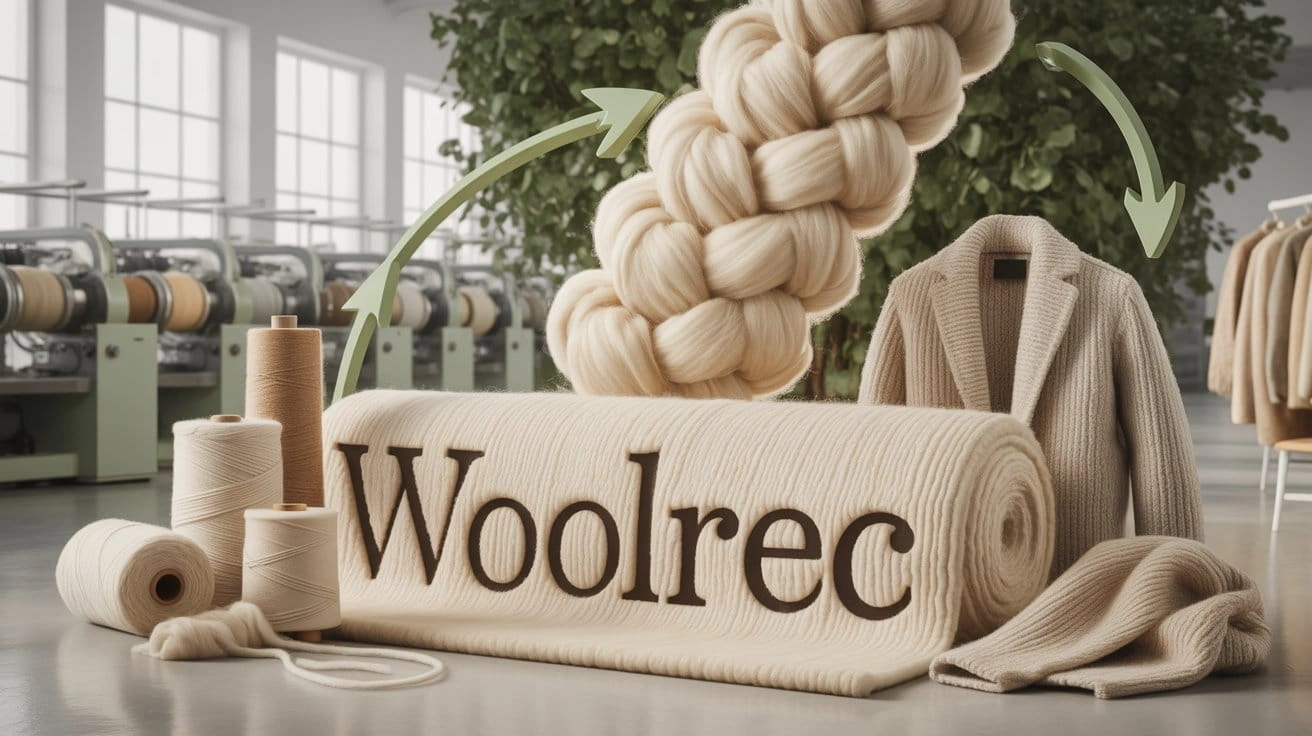
In recent years, the global textile industry has been undergoing a fundamental transformation. As environmental concerns intensify, consumers, manufacturers, and policymakers are increasingly seeking solutions that reduce waste and promote responsible production. Within this evolving landscape, woolrec has emerged as a forward-thinking approach that directly addresses one of the industry’s most persistent issues: the disposal of wool after its initial use.
Traditionally, wool has been valued for its warmth, durability, and natural origins. However, despite these qualities, large volumes of wool garments still end up in landfills. This is precisely where woolrec plays a critical role. By creating systems that recover, regenerate, and reuse wool fibers, it transforms waste into opportunity. As a result, the lifecycle of wool is extended, and its environmental footprint is significantly reduced.
What Is Woolrec?
At its core, woolrec refers to the structured recovery and recycling of wool fibers from used garments, manufacturing waste, and surplus textiles. Rather than allowing wool to be discarded after limited use, this approach focuses on reintegrating the fiber back into production cycles.
Moreover, unlike conventional recycling methods, woolrec prioritizes fiber preservation. Wool naturally offers resilience, temperature regulation, and breathability. Therefore, modern recycling techniques are carefully designed to maintain these properties instead of degrading them. Consequently, recycled wool can perform at levels comparable to newly produced material.
Why Wool Recycling Has Become Essential
As global demand for wool continues to grow, so does the strain on natural resources. At the same time, textile waste is increasing due to fast-changing fashion trends. Under these conditions, recycling wool is no longer optional.
Woolrec addresses these challenges by reducing dependence on virgin wool while simultaneously lowering environmental impact. In addition, it supports more ethical production models, making it increasingly relevant in today’s sustainability-driven market.
How the Woolrec Process Works
Although specific technologies may differ, the woolrec process generally follows a structured sequence designed to maximize fiber recovery.
Step 1: Collection and Sorting
First, wool garments and production scraps are collected from consumers, factories, and retailers. Next, materials are carefully sorted by fiber type, color, and condition. This step is essential because it minimizes contamination and improves recycling efficiency.
Step 2: Cleaning and Preparation
After sorting, the wool is thoroughly cleaned. During this stage, dirt, oils, and residues are removed. As a result, the fibers are prepared for safe and effective regeneration.
Step 3: Fiber Regeneration
Subsequently, mechanical or low-impact chemical methods gently separate fibers from existing fabrics. Importantly, these techniques aim to preserve fiber length and strength.
Step 4: Re-Spinning and Manufacturing
Finally, the regenerated fibers are spun into new yarns and transformed into finished products. In this way, the recycling loop is completed, and the wool re-enters the market.
Key Benefits of Woolrec
Environmental Benefits
- First, it significantly reduces textile waste sent to landfills
- Additionally, it lowers emissions linked to raw wool production
- Most importantly, it conserves water and energy compared to producing new fibers
Economic Benefits
- On one hand, manufacturers benefit from reduced material costs
- On the other hand, recycling systems support local employment
- Furthermore, it encourages innovation in sustainable design
Together, these benefits make woolrec not only environmentally sound but also economically viable.
Applications Across Industries
Fashion and Apparel
Increasingly, recycled wool is being used in sweaters, coats, scarves, and knitwear. Thanks to technological improvements, these garments now match the comfort and durability of traditional wool products.
Home and Interior Textiles
Beyond clothing, recycled wool is widely used in blankets, rugs, and upholstery. Because of its natural insulation properties, it performs exceptionally well in home environments.
Construction and Industrial Uses
Additionally, wool fibers are applied in insulation and acoustic materials. In these contexts, recycled wool provides breathability, sound absorption, and thermal efficiency.
Challenges Facing Woolrec
Despite its advantages, woolrec is not without challenges.
Technical and Operational Barriers
- Separating blended fibers remains complex
- Maintaining consistent quality at scale requires investment
- Collection and transportation logistics can be costly
Market and Consumer Barriers
- Many consumers still underestimate recycled wool
- Misconceptions about durability persist
- Infrastructure development requires upfront funding
Nevertheless, with education and innovation, these challenges can be addressed over time.
Woolrec and the Circular Economy
Importantly, woolrec aligns closely with circular economy principles. Instead of following a linear “make and dispose” model, it promotes continuous reuse.
By closing the loop, manufacturers reduce waste, consumers gain access to sustainable products, and overall resource efficiency improves. Consequently, this model supports long-term resilience across the textile industry.
Real-World Examples of Woolrec in Action
Today, several brands operate garment take-back programs. Through these initiatives, customers return used wool items, which are then processed and incorporated into new collections.
Similarly, in construction, recycled wool insulation is gaining popularity due to its low environmental impact and strong performance characteristics. These examples clearly demonstrate that woolrec is already delivering real-world value.
Best Practices for Brands and Manufacturers
To succeed, brands often focus on transparency and education. By clearly communicating how recycling works and why it matters, they build consumer trust.
Furthermore, designing products with recyclability in mind—such as reducing fiber blends—greatly improves recycling outcomes and efficiency.
FAQ’s
What does woolrec mean in simple terms?
In simple terms, it means recycling wool so it can be reused instead of thrown away.
Is recycled wool durable?
Yes. Thanks to modern techniques, recycled wool retains strength, warmth, and comfort.
Does wool recycling help the environment?
Absolutely. It reduces waste, lowers emissions, and conserves natural resources.
Where can recycled wool be used?
It is used in fashion, home textiles, insulation, and industrial products.
What is the future of wool recycling?
As sustainability expectations rise, woolrec is expected to grow rapidly worldwide.
Final Thoughts
Ultimately, woolrec represents a shift in how materials are valued. Rather than treating wool as disposable, this approach recognizes its long-term potential.
As sustainability continues to influence consumer decisions, woolrec stands out as a practical and scalable solution. Supporting recycled wool today helps build a more responsible and resilient textile industry for the future.

erothto Explained Trends Benefits and Guide

Why Lake Texoma Should Be Capitalized

49ers vs Miami Dolphins Match Player Stats Guide

Los Angeles Chargers vs 49ers Match Player Stats Guide

Miami Dolphins vs Denver Broncos Match Player Stats Guide

Pertadad in Tech: Definition, Applications, and Industry Impact

Calmered: Meaning, Benefits, Uses, and Practical Guide

Colts vs Las Vegas Raiders Match Player Stats Explained

Miami Dolphins vs Baltimore Ravens Match Player Stats

Small Business Bookkeeping Checklist (UK): Monthly Tasks to Stay HMRC-Ready

Trucofax Technology Guide for Secure Digital Communication

Luuxly.com: Complete Guide, Features, and Benefits

Complete Guide to Rox.com Products Catalog

Pittsburgh Steelers vs Carolina Panthers Match Player Stats

Jacksonville Jaguars vs Philadelphia Eagles Match Player Stats

Tampa Bay Buccaneers vs Houston Texans Match Player Stats

SEO by HighSoftware99.com Complete Strategy Guide

Jernsenger: Complete Guide to Iron Beds

jhonbaby777: Meaning, Trends, Benefits, and Risks

New England Patriots vs Washington Commanders Match Player Stats

Remembering Paul Dorries: Life, Legacy & Influence

Avant Garde Fashion: Meaning, Impact and Influence

3 Facts About Pitbull Singer That Define His Global Fame

Detroit Lions vs 49ers Match Player Stats: Full Breakdown & Analysis

The Emerging Influence of Nikki Hakuta

Inflatom: Smart Expansion Technology Redefining Modern Systems

Fun Craft Thunderonthegulf Creative Adventures

How Much Does Sabrina Carpenter Weigh

Nick Sandmann Net Worth Explained in 2025

Lexoworpenz: AI-Powered Automation for Modern Workflows

Nate Bargatze Net Worth in 2025: A Complete Analysis

Steeldrivers Band Members: A Complete 2025 Guide

MSB247: The Complete Guide for Modern Digital Solutions

Luh Tyler Age and Rise of a Gen Z Rap Breakout

Who Is Alex Ramsey? Identity, Influence, and Public Interest

Realifecamù Explained Live Camera Platform Guide 2025

William Carlyle Hall: A Comprehensive Guide to His Legacy

Bernie Bourke: The Life, Career, and Story Behind the Name

Choosing the Right Suiting Fabric for Style and Comfort

Christi Pirro: Career, Expertise, and Professional Influence
-
 Celebrity3 months ago
Remembering Paul Dorries: Life, Legacy & Influence
-
 Fashion3 months ago
Avant Garde Fashion: Meaning, Impact and Influence
-
 Celebrity3 months ago
3 Facts About Pitbull Singer That Define His Global Fame
-
 Entertainment3 months ago
Detroit Lions vs 49ers Match Player Stats: Full Breakdown & Analysis
-
 Celebrity3 months ago
The Emerging Influence of Nikki Hakuta
-
 Tech2 months ago
Inflatom: Smart Expansion Technology Redefining Modern Systems
-
 Entertainment3 months ago
Fun Craft Thunderonthegulf Creative Adventures
-
 Celebrity2 months ago
How Much Does Sabrina Carpenter Weigh