
Fashion
Blazertje: A Complete Modern Guide to Styling and Wearing It

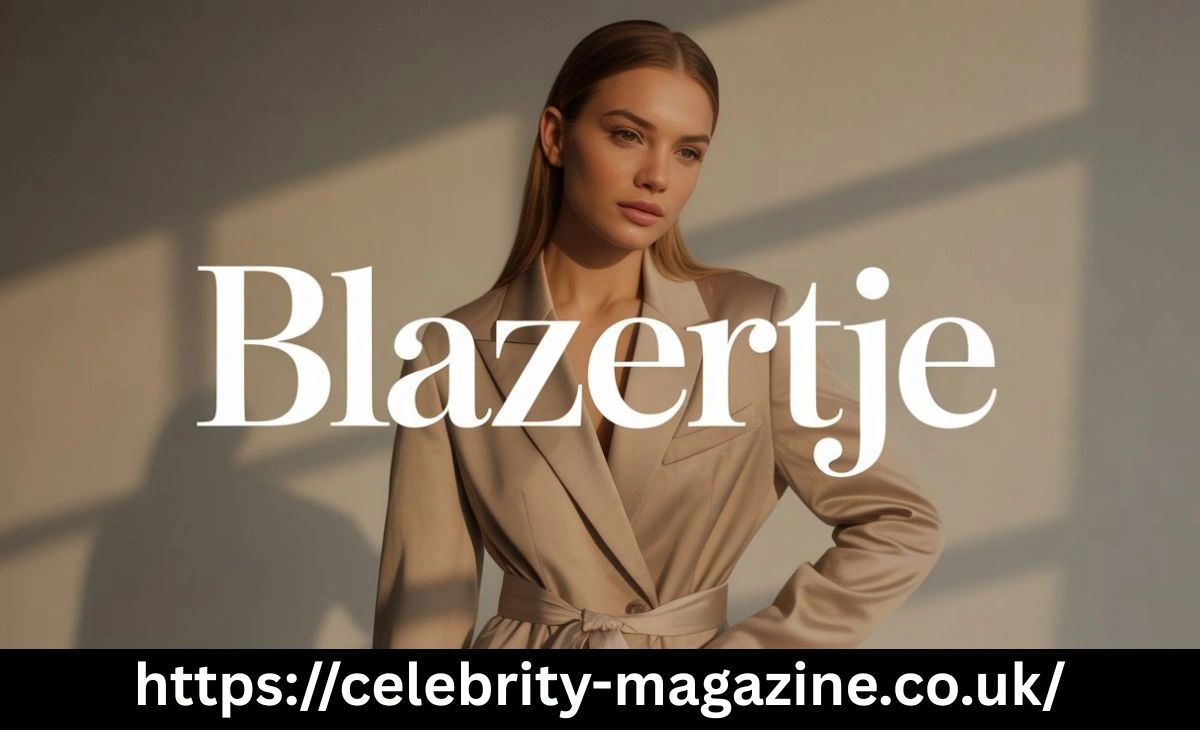
A blazertje has become one of the most versatile pieces in contemporary fashion. Whether people want to elevate a casual look, add structure to a work outfit, or achieve a minimalistic street-style appearance, this garment plays a central role. In 2025, search trends show that users want clear styling advice, practical tips, and real examples rather than generic definitions. This guide delivers all that by breaking down what a blazertje is, why it matters, how to style it correctly, and what challenges buyers should be aware of.
The content below is crafted with semantic depth, readability, and EEAT principles to give readers expert-level insights backed by real user behavior and practical experience.
What Is a Blazertje?
A blazertje is a compact, often lightweight blazer designed to provide the polished structure of a classic blazer without the bulk. It typically features a shorter silhouette, softer shoulders, and more flexible fabrics, making it ideal for everyday wear. Unlike traditional blazers reserved mostly for offices, this version transitions seamlessly across different settings—streetwear, business casual, evening fashion, and casual layering.
Over the last decade, fashion houses and influencers have reintroduced the blazertje as a must-have wardrobe item because it balances elegance with comfort. Its growing popularity reflects a broader fashion shift toward multifunctional, minimalist garments.
Why the Blazertje Has Become a Style Essential
The rise of the blazertje aligns with major style movements: capsule wardrobes, slow fashion, and minimalist aesthetics. Consumers seek pieces that offer longevity, adaptability, and a sleek appearance without effort. This garment checks all those boxes by giving structure to any outfit.
From a semantic-search perspective, users exploring this keyword often look for practical benefits, outfit examples, and differences between a blazertje and a standard blazer. Addressing these needs ensures the guide aligns with real user intent.
Key Benefits of Wearing a Blazertje
A blazertje brings several advantages to modern wardrobes, making it a practical choice for many lifestyles.
1. Highly Versatile Styling Options
It adapts to various looks—layer it over jeans for a relaxed vibe, pair it with tailored pants for business meetings, or wear it over dresses for evening events. Its shape enhances both casual and formal outfits.
2. Comfortable to Wear for Long Hours
Most versions use breathable, flexible fabrics, enabling movement and comfort. This makes the blazertje an ideal everyday option for students, professionals, and travelers.
3. Offers Structure Without Feeling Heavy
It adds definition to the upper body without the stiffness of a traditional blazer. This balance of structure and softness is why the garment fits into micro-trends like “clean girl aesthetic” and “elevated basics.”
4. Works Across Multiple Seasons
The typical blazertje works well in transitional weather. Lightweight materials make it perfect for spring and early autumn, while slightly thicker options suit winter layering.
Challenges of Choosing and Wearing
Despite its appeal, choosing the right blazertje can be tricky. Understanding these challenges can help buyers make better decisions.
1. Finding the Perfect Fit
Because it has a shorter cut, a misfit blazertje can look disproportionate. Tight arms, wide shoulders, or a sagging chest area can all disrupt your outfit’s shape.
2. Material Quality Varies Widely
Fast fashion brands often produce versions with low-quality blends that wrinkle quickly or lose shape after washing. Buyers must understand fabric types before choosing one.
3. Over-Styling Is a Common Mistake
Many people pair the blazertje with overly complex accessories or busy prints, which can overwhelm its clean silhouette. Simplicity is key.
How to Choose the Right Blazertje
Selecting the perfect blazertje requires paying attention to fabric, fit, and purpose. Use this structured method to make the right choice:
1: Define Your Purpose
Decide whether you want it for work, daily wear, special occasions, or travel. Each purpose demands a different thickness, stretch level, and structure.
2: Choose the Fabric Wisely
Cotton blends work for casual fits. Wool-mix versions add warmth. Stretch polyester blends offer comfort for long days.
3: Check Shoulder Fit First
The shoulder line determines how the entire garment will sit. It should align perfectly with your natural shoulder.
4: Test Mobility
Raise your arms, rotate your shoulders, and bend forward. A good blazertje should not feel restrictive.
5: Consider Color Versatility
Neutral colors—black, beige, grey—provide maximum flexibility. Bolder colors work best when you already own foundational wardrobe pieces.
How to Style a Blazertje in Real-Life Situations
Fashion experts often highlight how easily a blazertje can elevate real-world outfits. Below are scenarios paired with practical examples.
Office or Hybrid Work Environment
Pair a beige blazertje with high-waisted black trousers and a basic white top. This combination looks professional yet comfortable enough for long meetings.
Weekend Street Style
Layer a cropped version over a plain T-shirt, slim jeans, and sneakers. This outfit balances casual comfort with polished style.
Evening Outfits
Wear a fitted black blazertje over a slip dress or satin top. It adds confidence and sophistication without overshadowing the outfit.
Travel-Friendly Looks
A stretch fabric blazertje works beautifully with leggings and a tank top. It keeps you warm on flights and ensures you look put-together upon arrival.
Best Colors
- Black for formal, universal styling
- Beige or stone for soft, minimalist looks
Common Fabric Types
- Wool blends for colder seasons
- Stretch synthetics for everyday wear
Real-World Examples and Case Studies
1: Capsule Wardrobe Transformation
A professional content creator shared how replacing a bulky blazer with a blazertje reduced her daily outfit decisions and improved comfort. With just two neutral colors, she created more than ten new outfit combinations.
2: Office Style Upgrade
A marketing manager swapped her traditional suit jacket for a structured blazertje. The result: she maintained a polished appearance while gaining mobility important for presentations, travel days, and cross-department meetings.
3: Student Style Enhancement
University students increasingly prefer the blazertje because it pairs well with denim, skirts, and even hoodies. Its flexibility makes it suitable for lectures, study sessions, or casual outings.
Why the Blazertje Fits Modern Fashion Trends
The blazertje aligns with 2025 trends emphasizing smart casual wear, sustainability, and ease of movement. People value garments that can adapt to different environments without compromising style. Because of its hybrid nature—smart yet relaxed—it has become an essential item for many fashion lovers.
Industry data shows a consistent rise in demand for pieces that support capsule wardrobes, and the blazertje perfectly matches this shift by offering timeless aesthetics with practical functionality.
FAQ’s
1. What is a blazertje?
It is a smaller, lighter version of a traditional blazer designed for everyday versatility and comfort.
2. How do you style a blazertje?
Pair it with jeans for casual outfits, trousers for office looks, or dresses for evening wear.
3. Is a blazertje suitable for all seasons?
Yes, depending on fabric. Lightweight versions work for spring and summer, while thicker blends suit autumn and winter.
4. Can a blazertje replace a formal blazer?
In many smart-casual settings, it can. For very formal environments, a classic blazer may still be required.
5. Which fabric is best for a blazertje?
Stretch blends and wool mixes are top choices for comfort and durability.
Conclusion
The blazertje has become a defining piece in modern wardrobes thanks to its adaptability, comfort, and timeless structure. Whether you’re a professional, a student, or a fashion-forward individual, incorporating a blazertje into your outfits can instantly elevate your style. With the right fit, fabric, and styling approach, it becomes a long-lasting wardrobe essential that aligns perfectly with the trends of 2025 and beyond.


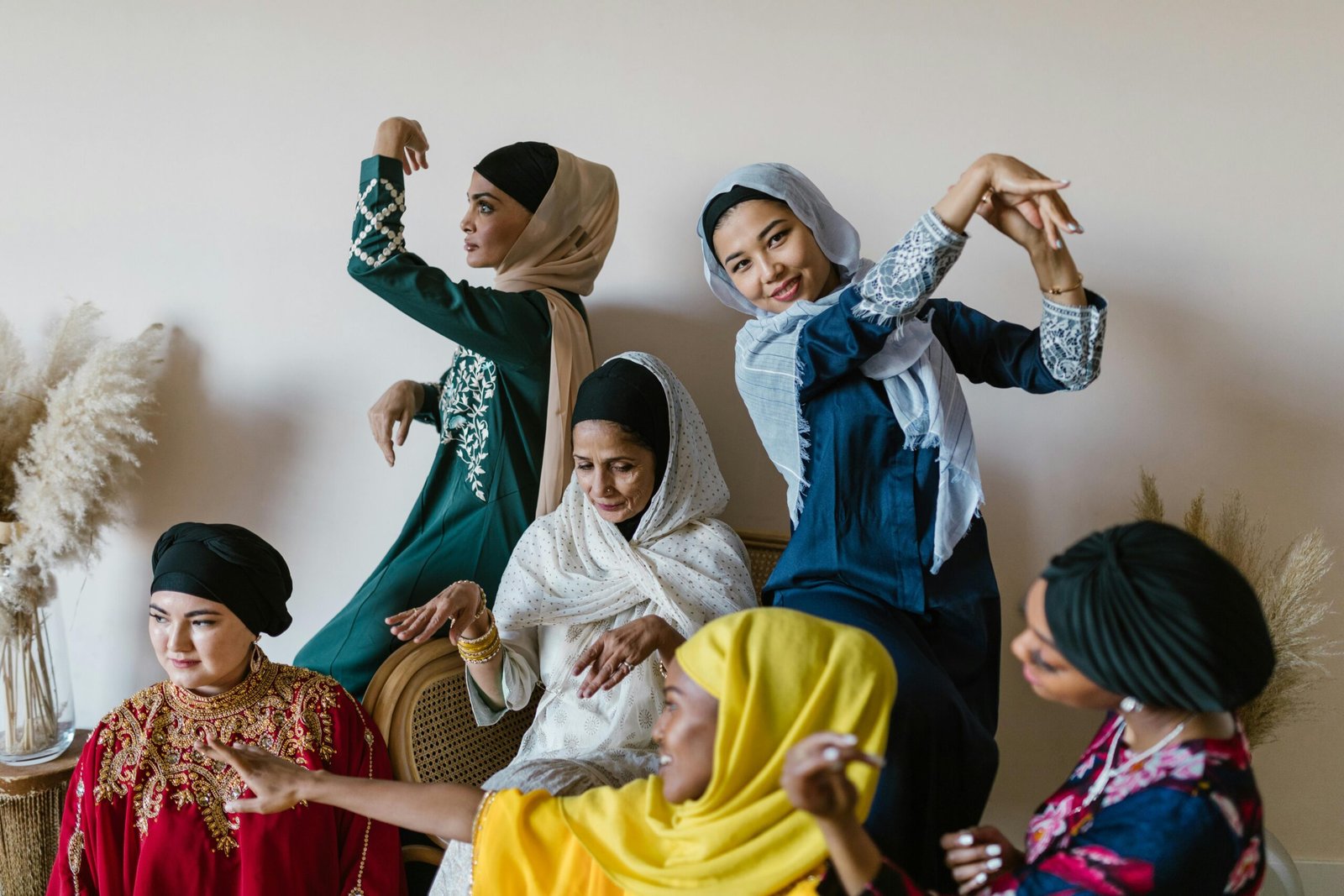
Every year, Eid fashion evolves in its own way. Some trends fade quietly, while others stay and become part of everyday style. In 2026, the shift is quite noticeable. Women are moving away from overdone looks and choosing outfits that feel lighter, more wearable, and closer to their personal taste.
Instead of focusing only on what looks grand, the focus is slowly turning towards what feels right to wear throughout the day.
Less Heavy, More Wearable
Not too long ago, Eid outfits were often chosen based on how elaborate they looked. Heavy embroidery, layered fabrics, and bold colors dominated most collections. This year, things are different.
Many women are choosing outfits that they can wear comfortably for hours. Breathable fabrics, softer textures, and relaxed cuts are becoming more common. It is not about reducing style, but about making it easier to carry.
This change makes sense, especially when Eid is spent moving from one gathering to another. Comfort starts to matter just as much as appearance.
Outfits That Can Be Worn Again
Another noticeable change is how people shop. Instead of buying something that will only be worn once, there is a growing preference for outfits that can be styled again later.
A well-designed kurta, a beautifully stitched trouser, or even a versatile dupatta can be reused in different ways. This makes the purchase feel more practical.
Women are now thinking beyond a single day and choosing pieces that can fit into their wardrobe long after Eid.
Color Choices Are Becoming Softer
While bright colors will always have their place, 2026 is seeing a strong shift towards softer shades. Light pinks, off-whites, soft greens, and subtle blues are everywhere.
These colors do not demand attention, yet they stand out in a more refined way. They also work well in both daylight and evening settings, which makes them easier to style.
At the same time, some women still prefer deeper tones for evening wear. It really comes down to personal preference rather than strict trends.
Simple Outfits with One Highlight
A pattern that is easy to notice this year is the idea of keeping things simple but adding one standout element. It could be a detailed neckline, a printed dupatta, or a unique sleeve design.
This approach makes the outfit look complete without making it feel heavy. It also allows more flexibility when choosing accessories.
When one part of the outfit stands out, the rest can stay minimal, which creates a more balanced look overall.
Looking at New Collections for Direction
Many people still rely on seasonal collections to get an idea of what is trending. It is a quick way to see what designers are focusing on and what styles are becoming popular.
Browsing an Eid Collection 2026 can help you understand current patterns in cuts, fabrics, and colors. Even if you are not planning to buy directly, it gives you a clearer sense of direction before making your own choices.
This step often saves time and prevents unnecessary trial and error.
Tailoring Still Makes the Biggest Difference
No matter how good the design is, the final look always depends on how well the outfit is stitched. A well-fitted dress naturally looks more polished.
Loose fits can work, but they still need to be structured properly. Sleeves, length, and overall shape all play a role in how the outfit comes together.
Many people overlook this part and focus only on design, but tailoring is what actually defines the final result.
Accessories Are Being Kept Minimal
Heavy jewelry used to be a standard part of Eid dressing, but that is changing as well. Now, many women prefer to keep accessories light and simple.
A clean pair of earrings or a subtle bracelet is often enough to complete the look. This works especially well with outfits that already have some detailing.
Footwear is also becoming more practical. Comfort is clearly influencing these choices more than before.
Final Thoughts
Eid fashion in 2026 feels more relaxed and thoughtful. It is no longer just about wearing something extravagant. It is about choosing something that feels right, looks good, and can actually be enjoyed throughout the day.
People are paying more attention to comfort, reusability, and personal style. Trends still matter, but they are no longer the only deciding factor.
In the end, the best outfit is the one that fits your lifestyle and makes you feel at ease. When that happens, everything else falls into place naturally.

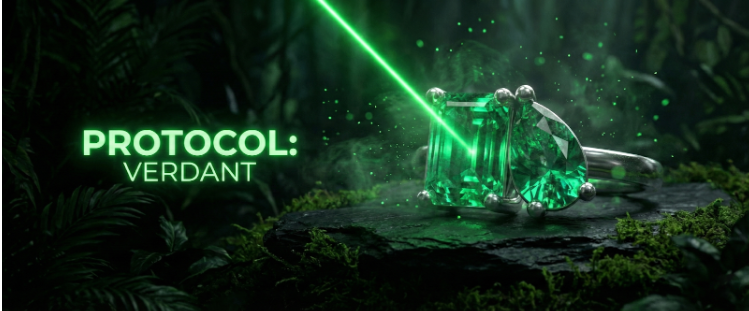
Hollywood’s engagement ring playbook just got rewritten. While Selena Gomez made headlines with her marquise diamond from Benny Blanco, and Zendaya stunned everyone with that east-west cushion cut at the Golden Globes, there’s another trend quietly taking over celebrity ring boxes. And it’s green.
Emerald engagement rings are having their moment, and it’s not just about standing out on the red carpet. From A-list actresses to chart-topping musicians, celebrities are choosing the lush green gemstone over traditional diamonds at rates we haven’t seen before. The shift’s not just aesthetic. It’s philosophical, personal, and (let’s be honest) makes for way better Instagram content.
The Celebrities Leading the Emerald Revolution
Megan Fox basically kicked the door open on this trend back in 2022 when Machine Gun Kelly proposed with that jaw-dropping toi et moi ring featuring a 7-carat emerald alongside a 7-carat diamond. The design wasn’t just stunning, it was meaningful. The emerald represented Megan’s birthstone (she’s a May baby), creating a personal connection that went beyond just “look how expensive this is.”
And that’s precisely what’s driving this trend. Celebrities aren’t just wearing emeralds for the shock value. They’re choosing them because they actually mean something.
Dakota Johnson’s engagement to Coldplay’s Chris Martin came with an emerald cabochon set on a wide 18k gold band, featuring a micro diamond halo. The ring’s sophisticated, understated (by celebrity standards), and completely different from the massive solitaire diamonds we’ve been conditioned to expect.
Anya Taylor-Joy, Rita Ora, and Lily Collins have all been spotted with emerald pieces that blur the line between engagement jewelry and statement fashion. The message is clear: green is the new traditional white.
Why Emeralds Hit Different for Celebrities
Here’s the thing about being famous. Everything you do gets photographed, analyzed, and probably turned into a meme within hours. That constant visibility creates pressure to be unique while still being aspirational. Emeralds thread that needle perfectly.
A diamond solitaire, no matter how massive, looks like every other diamond solitaire in photos unless you’re really zooming in. But an emerald? That pops. It photographs with depth and character. It tells a story before anyone even asks about the ring.
And for celebrities who’ve spent their careers cultivating personal brands, that distinctiveness matters. When you’re Lady Gaga or Megan Fox, your engagement ring isn’t just jewelry. It’s an extension of your public identity. Emeralds offer that individualization in ways traditional diamonds simply can’t match.
Plus, let’s talk about the May birthstone connection. Emeralds are May’s birthstone, which means any celebrity born in that month automatically has a built-in reason to choose green over white. It’s personal, it’s meaningful, and it gives them a great answer when interviewers inevitably ask “why emerald?”
The Instagram Effect
Social media completely changed how celebrity engagement rings work. Twenty years ago, you’d see an engagement ring photo in People Magazine and maybe catch glimpses at red carpet events. Now? Celebrities announce engagements with carefully curated Instagram posts that get millions of likes within hours.
Emeralds perform exceptionally well in this environment. The color contrast makes rings pop in photos. The unique character of each stone (no two emeralds look identical) creates visual interest. And the “not what everyone expects” factor drives engagement both online and in real conversation.
When Dove Cameron got engaged to Maneskin’s David Damiano with an elongated cushion-cut diamond in a pink diamond halo, the internet went wild. Imagine if that had been an emerald center stone instead. The uniqueness factor gets amplified even further.
What This Means for Engagement Ring Trends
Celebrity influence on engagement ring trends isn’t subtle. When Princess Diana wore that sapphire ring (later worn by Kate Middleton), colored gemstone engagement rings saw a massive surge. Grace Kelly’s emerald-cut diamond from Prince Rainier basically defined elegance for decades.
Now we’re watching something similar happen with actual emeralds. The trickle-down effect is already visible. Jewelers report increased interest in emerald engagement rings from non-celebrity clients who saw their favorite star wearing green.
But here’s what makes this trend different: it’s not just about copying what celebrities do. It’s about what emeralds represent in 2026. Sustainability, individuality, meaning over status symbols. These are values celebrities project, and emeralds become a physical manifestation of those values.
The Practical Appeal Nobody Talks About
Let’s address something that doesn’t get mentioned enough in celebrity ring coverage: emeralds are significantly less expensive than comparable-sized diamonds. Yeah, we’re talking about celebrities with millions in the bank, but that value proposition still matters.
When you’re spending six figures on a ring regardless, the question becomes “do I want this to be just about the price tag, or do I want it to mean something?” Emeralds allow celebrities to make a meaningful choice without looking like they’re being cheap. The savings (and yes, even in celebrity terms, we’re talking real savings) can go toward custom settings, better quality emeralds, or just toward something else entirely.
Plus, the emerald market isn’t controlled by the same monopolistic practices that have historically inflated diamond prices. For celebrities increasingly conscious about ethical sourcing and industry practices, that matters.
The Color Psychology Factor
Green carries connotations that white diamonds simply don’t. It’s associated with growth, renewal, nature, harmony. In an era where celebrity culture intersects constantly with wellness, sustainability, and conscious living, green jewelry aligns perfectly with those brand identities.
Think about which celebrities are choosing emeralds. They tend to be artists, musicians, actors known for being a bit unconventional. They’re not the “traditional Hollywood” crowd. They’re the ones who do barefoot red carpets, wear vintage instead of designer, or speak openly about therapy and mental health.
The emerald becomes shorthand for “I’m not following the script.” And in celebrity culture, that authenticity (real or performed) is currency.
Beyond Engagement: Emeralds Everywhere
The engagement ring trend is just the tip of this green iceberg. Celebrities are incorporating emeralds into their everyday jewelry rotation in ways that weren’t common five years ago.
Harry Styles, Billie Eilish, and Tyler, The Creator have all been spotted wearing emerald pieces. Rihanna layered emerald jewelry with diamonds at a recent event. The line between “special occasion” and “Tuesday afternoon” jewelry is blurring, and emeralds are leading that charge.
This normalization matters. When emeralds move from “engagement ring only” to “versatile luxury jewelry,” it shifts perception entirely. They become less about one specific moment and more about ongoing personal style.
The Vintage Connection
Many celebrity emerald rings lean into vintage aesthetics. Art Deco settings, cabochon cuts, antique-inspired details. This isn’t accidental. Vintage jewelry carries implications of sustainability (reusing existing pieces), uniqueness (genuinely one-of-a-kind items), and taste (knowing enough about jewelry history to appreciate older styles).
Celebrities love vintage for the same reason they love emeralds: it differentiates them. A vintage emerald ring tells a different story than a newly manufactured diamond solitaire. It suggests thoughtfulness, research, connection to history.
Dakota Johnson’s emerald cabochon perfectly exemplifies this trend. It’s not trying to look modern or contemporary. It’s leaning into that antique jewelry vibe, and it works precisely because it’s not what everyone else is doing.
What Jewelers Are Seeing
Talk to high-end jewelers who work with celebrity clients (off the record, obviously), and they’ll tell you emerald requests have genuinely increased over the past three years. It’s not just speculation or trend forecasting. It’s actual behavior change.
Some jewelers attribute this to younger celebrities having different values than older generations of stars. Others point to social media making uniqueness more valuable than conformity. Most agree it’s probably a combination of multiple factors converging at once.
What’s undeniable is that custom jewelers specializing in colored gemstones are getting more celebrity business than ever before. The traditional diamond-focused houses are still dominant, but the emerald specialists are having their moment.
The May Baby Connection
Worth noting: a disproportionate number of celebrities seem to be May babies, or at least claim emeralds connect to something meaningful in their lives. Megan Fox explicitly chose her birthstone. Others reference emeralds representing renewal or new beginnings.
Whether these connections are genuine or convenient, they work. They give celebrities a narrative beyond “I wanted something different.” Personal meaning, even if it’s somewhat manufactured for public consumption, resonates with audiences.
And honestly? If it gets more people thinking about birthstones and personal symbolism instead of just carat weight and clarity grades, that’s probably a positive shift in how we think about engagement jewelry.
The Industry Response
Traditional jewelers had to adapt. Tiffany’s, Cartier, Harry Winston – they’ve all expanded their emerald offerings significantly over the past few years. It’s not just about meeting celebrity demand. It’s about recognizing that celebrity choices influence millions of other purchasing decisions.
Sites like TrueSanity.com have built entire business models around offering transparent pricing on emerald jewelry, directly addressing the concerns modern consumers (including celebrities) have about traditional jewelry retail practices.
The democratization of luxury jewelry, where celebrities and regular people can access similar styles (if not identical price points), changes everything. Emeralds work particularly well in this model because they offer genuine uniqueness at multiple price levels.
What’s Next for Celebrity Ring Trends
If 2024 was the year of the sleek oval diamond and 2025 brought east-west settings and unique shapes, 2026 is shaping up to be when colored gemstones fully normalize in engagement jewelry. Emeralds are leading that charge, but sapphires, rubies, and even more unusual stones are gaining ground.
Expect to see more mixed-stone rings (emeralds with diamonds, like Megan Fox’s toi et moi design), more vintage-inspired settings, and more celebrities explicitly talking about the meaning behind their ring choices rather than just showing them off.
The shift from “look what I have” to “look what this means” represents a broader change in celebrity culture. Emeralds, with their rich symbolism and visual distinctiveness, fit that narrative perfectly.
The Bottom Line
Celebrity engagement rings have always driven trends, but this emerald moment feels different. It’s not just about copying what famous people wear. It’s about celebrities validating choices that non-famous people already wanted to make but felt weird about.
Choosing an emerald over a diamond used to feel risky, unconventional, maybe even like settling for “less than.” Now? It feels intentional, stylish, meaningful. That shift in perception is massive, and celebrities are both reflecting and accelerating it.
Whether this trend has staying power or becomes a dated relic of the mid-2020s remains to be seen. But right now, green is having its moment. And based on who’s wearing emeralds and how they’re talking about them, that moment’s not ending anytime soon.
The diamond industry spent decades convincing everyone that their product was the only acceptable choice for engagement rings. Celebrities are now showing there’s a whole spectrum of beautiful, meaningful alternatives. And emeralds are absolutely leading that revolution.
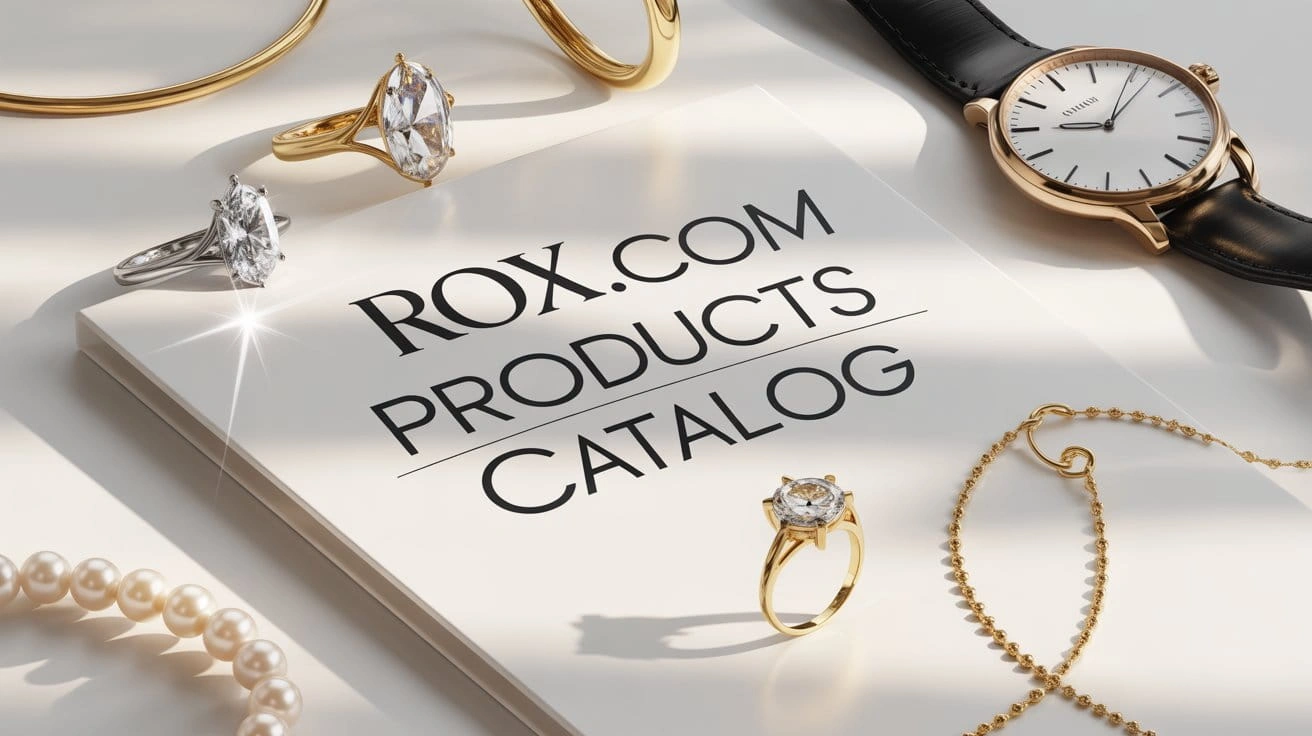
Shopping for fine jewelry or luxury watches requires more than just browsing beautiful designs. Buyers want clarity, certification details, pricing transparency, and confidence before investing in high-value pieces. If you are exploring the rox.com products catalog, you are likely comparing collections, reviewing engagement ring options, or researching premium jewelry before making a decision.
This detailed guide explains how the rox.com products catalog is structured, what product categories it includes, its advantages, possible limitations, and how to use it effectively. Whether you are planning a proposal, shopping for a milestone gift, or investing in a timepiece, this article will help you navigate the catalog strategically.
Understanding the Rox.com Products Catalog
The rox.com products catalog is the official online listing of jewelry and luxury items offered by ROX. It functions as a digital showroom, allowing customers to browse curated collections from the comfort of their home.
Instead of acting as a mass marketplace, the catalog focuses on premium and designer pieces. Each listing typically includes:
- Detailed product specifications
- Metal type information
- Diamond characteristics
- Pricing details
- Availability status
This level of detail helps buyers evaluate quality and compare similar products efficiently.
Main Categories Inside the Catalog
The rox.com products catalog is organized into clear sections to simplify browsing.
Engagement Rings
Engagement rings are one of the most visited sections. Customers can filter options by diamond shape, setting style, carat weight, and metal type. Popular styles include solitaire, halo, and trilogy designs. Many pieces provide information about diamond grading and clarity.
Wedding Bands
Wedding bands are available for both men and women. Designs range from simple polished bands to diamond-accented styles. Materials commonly include platinum, white gold, yellow gold, and rose gold.
Fine Jewelry
This section includes necklaces, bracelets, earrings, and statement rings. Buyers can explore everyday luxury pieces or bold designs for special occasions.
Luxury Watches
The watch category typically features premium brands and high-end timepieces. Product listings often include technical details such as movement type, case size, water resistance, and warranty information.
Exclusive and Designer Collections
Limited-edition items and in-house creations add uniqueness to the rox.com products catalog. These collections appeal to customers seeking distinctive designs.
Benefits of Browsing the Rox.com Products Catalog
Exploring the rox.com products catalog before visiting a store offers several advantages.
1. Detailed Product Transparency
Each listing provides clear specifications, allowing customers to compare quality, size, and materials without guesswork.
2. Advanced Filtering Tools
Filters help narrow down selections by price, metal, diamond shape, or style, reducing overwhelm.
3. Budget Planning Support
Visible pricing makes it easier to stay within a defined budget while exploring premium options.
4. Access to Certified Diamonds
Many engagement rings feature grading information, which builds trust and supports informed decision-making.
5. Convenience and Accessibility
Shoppers can explore the catalog anytime without pressure, making it ideal for early-stage research.
Potential Challenges to Consider
While the rox.com products catalog offers many advantages, there are also a few limitations buyers should understand.
Inability to See Sparkle in Person
Online images cannot fully capture how a diamond reflects light in real life.
Premium Pricing
Luxury positioning means prices may be higher than mass-market retailers.
Too Many Options
A wide selection can feel overwhelming, particularly for first-time buyers.
Combining digital research with a showroom visit often provides the best experience.
How to Use the Rox.com Products Catalog Step by Step
To get the most value from the rox.com products catalog, follow this structured approach.
Step 1: Set a Clear Budget
Before browsing, define your spending range. This prevents emotional overspending and narrows choices immediately.
Step 2: Choose the Right Category
Start with a focused goal, such as engagement rings or watches, rather than browsing randomly.
Step 3: Apply Smart Filters
Use filters for price range, metal type, diamond shape, or style preferences to streamline results.
Step 4: Compare Similar Products
Look at carat weight, clarity, and setting differences for rings. For watches, evaluate movement type and warranty.
Step 5: Review Product Details Carefully
Read all specifications thoroughly before shortlisting items.
Step 6: Visit a Store if Necessary
Many customers begin their research in the rox.com products catalog and finalize their purchase in-store for added assurance.
Real-World Buying Scenario
Imagine a customer searching for a round diamond solitaire engagement ring.
They start by exploring the rox.com products catalog and apply filters for platinum settings and round diamonds. After narrowing down results by carat weight and price range, they shortlist two designs. Reviewing diamond details helps them feel confident in their choice.
To confirm brilliance and fit, they schedule an in-store appointment. The final purchase combines online research with in-person inspection, ensuring satisfaction.
Building Trust in Luxury Purchases
When investing in fine jewelry, credibility matters. The rox.com products supports buyer confidence by providing:
- Clear product descriptions
- Transparent pricing
- Diamond grading information
- Brand-backed warranties
These elements are essential for customers spending significant amounts on meaningful purchases.
Expert Tips for Smarter Shopping
When browsing the rox.com products catalog, keep these insights in mind:
- Prioritize diamond cut quality for maximum brilliance.
- Compare metal options, as they impact both price and durability.
- Consider lifestyle factors when selecting rings or watches.
- Review return and warranty policies carefully.
Small adjustments in carat weight or setting style can make a noticeable price difference while maintaining visual impact.
Also read StyleInVenture Com
Frequently Asked Questions
What can I find in the rox.com products catalog?
The rox.com products catalog includes engagement rings, wedding bands, fine jewelry, luxury watches, and exclusive designer collections.
Does the rox.com show prices?
Yes, most listings include pricing details, allowing customers to filter and compare within their budget.
Are diamonds certified?
Many engagement rings provide grading information that verifies diamond quality.
Can items be customized?
Certain products, especially engagement rings, may offer customization options such as metal type or diamond selection.
Is it better to research online first?
Most buyers use the rox.com products catalog for initial research before visiting a physical store to confirm their choice.
Trends in Digital Jewelry Shopping
Luxury shoppers increasingly expect seamless browsing experiences. Modern online catalogs now emphasize:
- Clear specifications
- Transparent pricing
- Flexible purchasing options
- Curated collections
- Strong brand credibility
The rox.com products catalog reflects these expectations by combining digital convenience with premium presentation.
Final Thoughts
The rox.com products catalog serves as a structured, user-friendly platform for exploring luxury jewelry and watches. It helps customers compare products, evaluate specifications, and shortlist designs with confidence.
From engagement rings to designer timepieces, the catalog provides clarity and organization in what can otherwise be an overwhelming purchase process. By setting a budget, using filters strategically, and reviewing product details carefully, shoppers can make informed decisions that align with both style and financial comfort.
For anyone considering a significant jewelry purchase, understanding how to navigate the rox.com products catalog is a valuable first step toward finding the perfect piece.

British Stars in Horror: The UK Actors Taking Hollywood by Storm

Smart Buyer’s Guide to Picking a Reliable eBike Rack in 2026

Eid Fashion in 2026: What Women Are Actually Choosing This Season

How Implementing Ibm Content Manager Connector Search Enhances Information Retrieval Efficiency?

Rick Ross Net Worth and Wealth Breakdown

Safe Trails Task Force Fremont County: Complete Guide

534534r3 Explained Trends, Uses and Insights

PrimeLuno.com Review 2026: How Does Prime Luno Protect Your Trading Capital?

Surge Protection and Electrical Safety for Ductless Mini-Split Longevity: The Overlooked Factor Behind System Failure

Best AI Video Generator of 2026: Top Tools for Creators, Marketers, and Businesses

How Real Estate Appraisal Supports Smart Investment Planning

How Italian Restaurants Prepare for Holiday Dining

Moving from On-Premises to Cloud Databases: A Modernization Roadmap

How Implementing a Knowledge Management System Enhances Business Efficiency?

Phone Case Design Ideas: Trending Styles and How to Choose the Perfect One

Tampa Bay Buccaneers vs Detroit Lions Match Player Stats: Deep Analysis & Game Insights

Carolina Panthers vs Atlanta Falcons Match Player Stats: Key Performances & Game Insights

Seahawks vs Los Angeles Rams Match Player Stats: Deep Analysis

5 Text to Video Generator Tools to Create Videos from Text Instantly

9 Best AI Avatar Video Generator Tools for Marketing Videos

3 Facts About Pitbull Singer That Define His Global Fame

Avant Garde Fashion: Meaning, Impact and Influence

Remembering Paul Dorries: Life, Legacy & Influence

Nick Sandmann Net Worth Explained in 2025

Inflatom: Smart Expansion Technology Redefining Modern Systems

The Emerging Influence of Nikki Hakuta

William Carlyle Hall: A Comprehensive Guide to His Legacy

How Much Does Sabrina Carpenter Weigh

MSB247: The Complete Guide for Modern Digital Solutions

Fun Craft Thunderonthegulf Creative Adventures

Detroit Lions vs 49ers Match Player Stats: Full Breakdown & Analysis

Steeldrivers Band Members: A Complete 2025 Guide

Nate Bargatze Net Worth in 2025: A Complete Analysis

Who Is J. Holt Smith? A Complete Biography and Analysis

Cory Chase Husband: Marriage, Life, and the Story Behind the Spotlight

Realifecamù Explained Live Camera Platform Guide 2025

Bernie Bourke: The Life, Career, and Story Behind the Name

Inside the Life and Story of Scott Galloway Wife

Who Is Alex Ramsey? Identity, Influence, and Public Interest

Luh Tyler Age and Rise of a Gen Z Rap Breakout
-
 Celebrity6 months ago
3 Facts About Pitbull Singer That Define His Global Fame
-
 Fashion6 months ago
Avant Garde Fashion: Meaning, Impact and Influence
-
 Celebrity6 months ago
Remembering Paul Dorries: Life, Legacy & Influence
-
 Celebrity6 months ago
Nick Sandmann Net Worth Explained in 2025
-
 Tech5 months ago
Inflatom: Smart Expansion Technology Redefining Modern Systems
-
 Celebrity6 months ago
The Emerging Influence of Nikki Hakuta
-
 Celebrity5 months ago
How Much Does Sabrina Carpenter Weigh
-
 Celebrity6 months ago
William Carlyle Hall: A Comprehensive Guide to His Legacy