
Tech
UVLACK Technology Explained for Modern Surface Protection

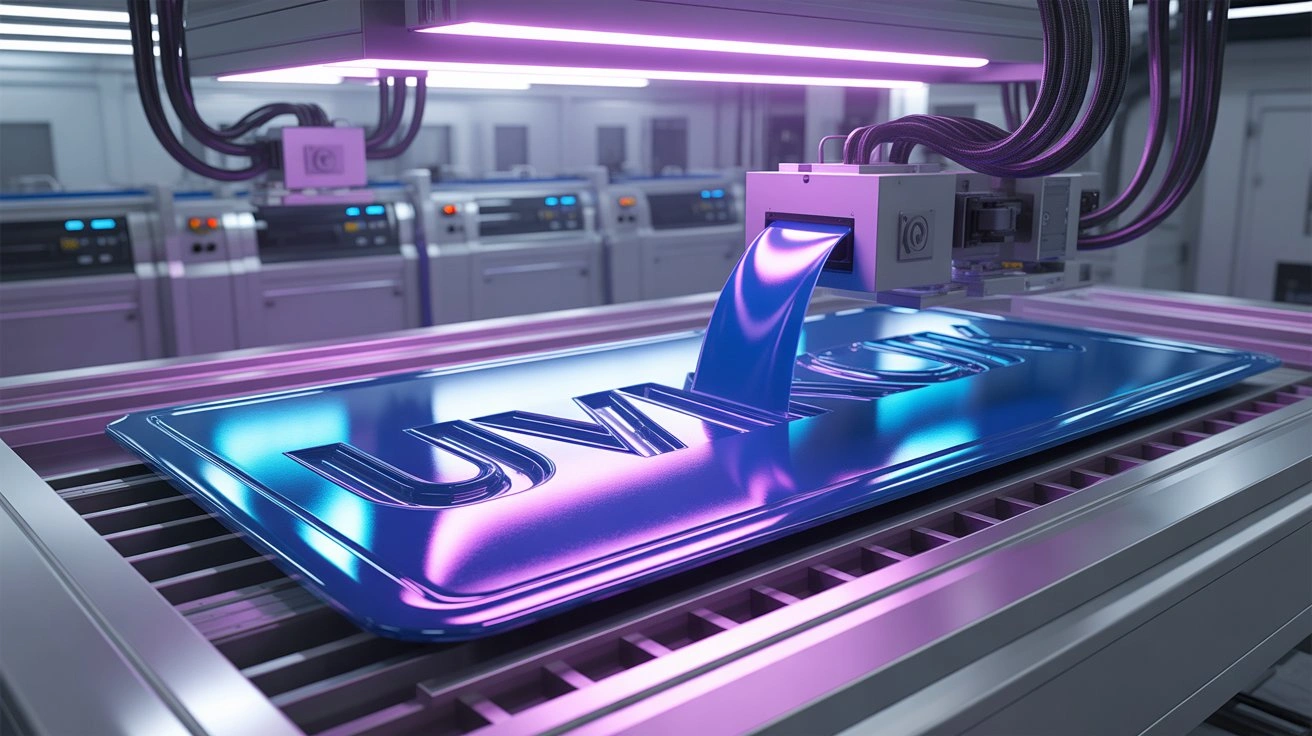
Surface durability and visual quality are no longer optional in modern manufacturing—they are expectations. As industries demand faster production, cleaner processes, and longer-lasting finishes, UV-cured technologies have moved into the spotlight. Among them, UVLACK has emerged as a powerful solution for achieving strong, attractive, and efficient surface coatings.
This guide explores UVLACK in detail and explains what it is, how it works, where industries use it, and why its importance continues to grow in 2025. If you work in manufacturing, design, product development, or research, this article addresses the most common questions and provides practical insights drawn from real-world applications.
What Is UVLACK?
UVLACK refers to a specialized ultraviolet-cured coating or lacquer system designed to protect and enhance surfaces. Unlike traditional coatings that dry through air exposure or heat, UVLACK hardens instantly when exposed to ultraviolet light. This rapid curing process creates a solid, highly resistant surface layer.
The technology is commonly applied to materials such as wood, plastic, metal, composites, and printed surfaces. Its defining characteristics are speed, durability, and consistency, making it suitable for high-volume and precision-driven industries.
How UVLACK Works at a Technical Level
The performance of UVLACK is based on a chemical reaction known as photopolymerization. The liquid coating contains reactive compounds and light-sensitive initiators. When ultraviolet light is applied, these components react and bond together almost immediately.
Key Stages of the UV Curing Process
- The coating is applied evenly to a prepared surface
- The surface passes under a controlled UV light source
- Chemical bonding occurs within seconds
- The surface becomes fully cured and ready for handling
This process eliminates long drying times and minimizes inconsistencies caused by environmental conditions such as humidity or temperature.
Why UVLACK Matters in 2025
Manufacturing trends in 2025 emphasize speed, sustainability, and product longevity. UVLACK aligns with these priorities by offering fast production cycles, reduced emissions, and surfaces that maintain quality over time.
Companies adopting UV-cured systems report improved workflow efficiency, fewer defects, and better compliance with environmental standards. As regulations tighten and consumers demand higher quality finishes, this technology continues to gain relevance.
Core Benefits of UVLACK Technology
Exceptional Surface Durability
Surfaces coated with UVLACK demonstrate high resistance to scratches, chemicals, heat, and daily wear. This makes the technology ideal for products exposed to frequent handling or harsh conditions.
Faster Production Cycles
Instant curing allows manufacturers to move products immediately to the next stage of production. This reduces storage requirements and increases output without sacrificing quality.
Environmentally Responsible Coating
Most UVLACK systems contain little to no volatile organic compounds. Because curing does not rely on heat, energy consumption is also significantly reduced compared to traditional drying methods.
Visual Consistency and Finish Control
The technology supports a wide range of finishes, including high-gloss, satin, and matte effects. Color clarity and surface smoothness remain stable over time, enhancing product appearance.
Real-World Applications of UVLACK
Automotive Manufacturing
Interior components such as trim panels, dashboards, and control surfaces benefit from the scratch resistance and UV stability provided by UVLACK coatings. These surfaces maintain appearance despite sunlight exposure and repeated use.
Furniture and Interior Surfaces
Modern furniture finishes rely on durability without compromising aesthetics. UV-cured coatings protect wood and composite surfaces from moisture, stains, and abrasion in residential and commercial settings.
Consumer Electronics
Device housings and accessories require thin yet durable coatings. UVLACK enables sleek designs while improving resistance to fingerprints, scratches, and surface degradation.
Printing and Packaging
Printed materials often require fast turnaround and visual impact. UV-cured finishes enhance color vibrancy and protect printed surfaces without slowing production.
Industrial Components
In industrial environments, coated components must withstand mechanical stress and chemical exposure. UVLACK solutions provide reliable protection for panels, enclosures, and technical parts.
Practical Advantages for Manufacturers
- Reduced production downtime
- Consistent coating thickness
- Lower defect rates
- Improved workplace air quality
- Long-term cost efficiency
These benefits make UV-cured coating systems attractive not only for large manufacturers but also for specialized production lines.
Challenges and Limitations to Consider
Despite its advantages, UVLACK technology is not without limitations. Understanding these challenges helps organizations implement it effectively.
Equipment Investment
UV curing systems require specialized lamps or LED units. While operational savings are significant over time, the initial setup cost can be higher than conventional methods.
Surface Preparation Requirements
For optimal adhesion, surfaces must be clean and properly treated. Inadequate preparation can reduce coating performance.
Curing Depth Constraints
Very thick coatings or complex shapes may require advanced curing strategies to ensure full exposure to UV light.
These challenges are manageable with proper planning and technical expertise.
Step-by-Step Guide to Applying UVLACK
- Inspect and clean the surface thoroughly
- Apply the coating evenly using spray or roller methods
- Transfer the coated surface to a UV curing station
- Expose the surface to calibrated UV light
- Perform final quality inspection
This controlled process ensures reliable and repeatable results across production runs.
Future Trends in UVLACK Development
Innovation in UV-cured coatings continues to accelerate. Emerging trends include improved UV-LED curing systems, advanced formulations for enhanced flexibility, and smart coatings with added functionality.
Research also focuses on further reducing energy consumption while increasing curing efficiency. As these improvements reach commercial scale, UVLACK technology is expected to expand into new industries.
Frequently Asked Questions About UVLACK
What is UVLACK used for?
UVLACK is used to protect and enhance surfaces across industries such as automotive, furniture, electronics, packaging, and industrial manufacturing.
How long does UV curing take?
In most applications, curing occurs within seconds once exposed to ultraviolet light.
Is UVLACK safe for the environment?
Yes, it typically produces low emissions and requires less energy compared to traditional coating systems.
Can UVLACK be applied to different materials?
With proper surface preparation, it can be applied to wood, plastics, metals, and composites.
Does UVLACK improve product lifespan?
Yes, it significantly enhances resistance to wear, chemicals, and environmental exposure.
Conclusion
UVLACK technology represents a modern answer to the growing demand for efficient, durable, and sustainable surface coatings. By combining rapid curing with strong protective performance, it supports innovation across multiple industries.
As manufacturing continues to evolve in 2025, UV-cured systems like UVLACK are not just alternatives—they are becoming the standard for high-quality surface protection.


The technology landscape evolves rapidly, introducing new frameworks, concepts, and methodologies that redefine how digital systems operate. One emerging concept gaining attention in tech-focused discussions is Pertadad.
If you’ve encountered this keyword in relation to software development, digital systems, innovation strategy, or IT infrastructure, you’re likely looking for a clear explanation grounded in technology — not internet slang.
This comprehensive guide explores Pertadad from a tech perspective: its definition, benefits, challenges, practical use cases, and how it may influence future innovation models in 2026 and beyond.
What Is Pertadad in Technology?
In the technology context, Pertadad refers to a conceptual framework centered on adaptability, modular architecture, and intelligent digital coordination. It represents a structured yet flexible approach to designing and managing modern systems.
Unlike rigid development models, this framework emphasizes:
- Scalable digital architecture
- Adaptive workflows
- Data-driven decision support
- Continuous system optimization
In simple terms, it describes a mindset and structural model for building resilient, future-ready digital environments.
Why This Framework Is Relevant in 2026 Tech Trends
Several industry shifts make Pertadad especially relevant today:
- Cloud-native infrastructure adoption
- AI-powered automation integration
- Increased demand for scalable microservices
- Cybersecurity-first architecture planning
- Continuous deployment environments
Modern organizations require systems that evolve without complete restructuring. This model supports that need by promoting modularity and strategic flexibility.
Core Principles of Pertadad in Digital Systems
To understand its technical value, we must break down the foundational principles that define Pertadad in tech ecosystems.
1. Modular Architecture
Systems are built as independent components that can scale or update without affecting the entire structure.
2. Adaptive Logic Layers
Business logic adapts based on real-time data inputs, allowing dynamic responses to changing conditions.
3. Integrated Automation
Automation isn’t added later — it’s embedded from the beginning of system design.
4. Continuous Optimization
Performance monitoring tools constantly evaluate and improve system efficiency.
Together, these principles create a robust digital foundation capable of long-term sustainability.
Benefits of Implementing This Approach
Organizations adopting Pertadad-based strategies often experience measurable advantages.
Improved Scalability
Modular design enables businesses to scale services independently without costly reengineering.
Faster Deployment Cycles
Because components are decoupled, development teams can push updates more efficiently.
Enhanced System Resilience
Failure in one module does not collapse the entire infrastructure.
Better Resource Allocation
Automated monitoring reduces manual oversight and improves efficiency.
Challenges of Implementation
Despite its advantages, adopting Pertadad within a technology ecosystem presents challenges.
Initial Complexity
Designing modular, adaptive systems requires advanced planning and skilled engineering teams.
Higher Early Investment
Infrastructure restructuring and training may increase short-term costs.
Integration with Legacy Systems
Older architectures may not support modular or adaptive frameworks easily.
Understanding these limitations helps organizations prepare strategically before transitioning.
Real-World Applications in Modern Technology
To illustrate how Pertadad functions in practice, here are key industry examples.
Cloud Infrastructure Management
Enterprises managing hybrid or multi-cloud environments benefit from modular resource control and automated load balancing.
SaaS Product Development
Software-as-a-Service platforms can use this architectural model to update features without interrupting users.
AI-Driven Systems
Machine learning platforms require adaptive data processing layers, aligning well with continuous optimization principles.
Cybersecurity Architecture
Zero-trust frameworks integrate smoothly within modular security systems built using Pertadad principles.
Step-by-Step Guide to Applying This Model in Your Tech Stack
If your organization wants to implement Pertadad, follow this structured approach:
Step 1: Audit Existing Infrastructure
Identify rigid dependencies and monolithic structures that limit scalability.
Step 2: Design Modular Components
Break applications into independent services or microservices.
Step 3: Integrate Real-Time Monitoring Tools
Use performance dashboards to gather actionable system insights.
Step 4: Implement Automation Layers
Embed automated workflows for testing, deployment, and scaling.
Step 5: Continuously Optimize
Review analytics and refine system architecture regularly.
This gradual transition ensures stability while moving toward a more adaptive model.
Comparison with Traditional System Architecture
Traditional architectures often rely on centralized control and tightly coupled systems. While effective in earlier development eras, they struggle with rapid innovation demands.
Pertadad differs by prioritizing:
- Decentralization
- Data responsiveness
- Incremental scaling
- Automation-first thinking
The result is an infrastructure capable of evolving without complete redesign.
Industry Outlook: The Future of Pertadad
Looking ahead, Pertadad aligns with several future-facing tech movements:
- Edge computing expansion
- AI orchestration platforms
- Autonomous infrastructure management
- Green computing optimization
- Quantum-ready modular frameworks
As enterprises push toward intelligent automation and real-time adaptability, these principles may become increasingly standardized within advanced system design.
Frequently Asked Questions
What does Pertadad mean in tech?
In technology, Pertadad refers to a modular, adaptive system framework designed for scalability, automation, and continuous optimization.
Is Pertadad a programming language?
No. It is not a language but a conceptual architectural approach for building flexible digital ecosystems.
Can startups use Pertadad?
Yes. Startups benefit from scalable design that supports rapid growth without rebuilding infrastructure.
Does Pertadad replace microservices?
Not exactly. It often incorporates microservices but extends beyond them by integrating adaptive intelligence and automation layers.
Is Pertadad suitable for enterprise systems?
Yes. Large enterprises particularly benefit from resilience and scalability in complex environments.
Final Thoughts
In a world where digital transformation accelerates every year, rigid systems struggle to survive. Pertadad offers a structured yet flexible approach to designing future-ready infrastructures.
By focusing on modular architecture, adaptive logic, and automation integration, organizations can build technology stacks that grow, evolve, and respond intelligently to change.
As innovation continues shaping the global tech landscape, Pertadad represents a strategic shift toward sustainable, scalable digital ecosystems built for the demands of 2026 and beyond.

Digital communication technology continues to evolve as businesses demand faster, more secure, and more reliable ways to exchange information. Trucofax has emerged as a tech-focused solution designed to modernize document transmission, data verification, and workflow automation.
Many users searching for this platform want clarity. Is it a digital fax alternative? A secure communication tool? A verification platform? The growing interest suggests that people are looking for a technology-driven system that replaces outdated processes with encrypted, trackable, and scalable solutions.
This in-depth guide explains the system from a technology perspective. You will learn what it is, how it works, its advantages, technical challenges, and real-world applications. If you are evaluating digital transmission tools for your organization, this article will help you understand whether Trucofax aligns with your needs.
What Is Trucofax in Technology Terms?
Trucofax is a digital communication and document transmission technology designed to securely send, receive, and verify files over the internet. It functions as a modern alternative to traditional fax systems while integrating encryption, cloud storage, and structured data management.
Semantically related concepts include:
- Digital fax systems
- Encrypted document transmission
- Cloud-based communication platforms
- Secure file sharing solutions
- Workflow automation tools
- Authentication and verification systems
From a technical standpoint, the platform is positioned as a secure, scalable infrastructure that enables organizations to manage document exchange without relying on physical fax machines or unsecured email attachments.
How Trucofax Works
Understanding the operational framework helps clarify its value. Although implementations vary by provider, the general architecture of Trucofax follows a structured digital workflow.
Step 1: Digital Upload
Users upload documents or data through a web portal, application interface, or integrated enterprise system. Supported file types typically include PDFs, images, and structured document formats.
Step 2: Encryption and Processing
Once uploaded, the system encrypts the file using secure transmission protocols. Some versions may also perform validation checks, formatting adjustments, or digital authentication before sending.
Step 3: Secure Transmission
The encrypted file is transmitted through protected network channels to the intended recipient. This eliminates vulnerabilities commonly associated with traditional fax lines.
Step 4: Delivery Confirmation and Archiving
After delivery, confirmation logs are generated. Documents are stored in secure digital archives, allowing users to retrieve them for compliance, audits, or reference.
This streamlined process reduces manual handling and improves reliability in professional communication environments.
Core Technical Features of Trucofax
To understand its technological relevance, it is important to analyze the core features that distinguish Trucofax from legacy systems.
1. End-to-End Encryption
Encryption protects documents from interception during transmission. This is critical in industries where confidentiality is mandatory.
2. Cloud-Based Infrastructure
Many implementations rely on cloud architecture, which allows remote access, automatic backups, and scalability.
3. Audit Trails and Logging
Each transmission is logged with timestamps and delivery confirmations. This creates traceability and improves accountability.
4. API Integration
Modern organizations require interoperability. The system often supports integration with enterprise software such as CRM platforms, document management systems, and internal databases.
5. Scalable Architecture
As data volume increases, digital systems must handle higher loads. Trucofax platforms are generally built to accommodate business growth without performance degradation.
Benefits of Trucofax for Technology-Driven Businesses
Adopting this digital transmission technology provides measurable advantages. Below are the most significant benefits.
Improved Security Standards
Unlike analog fax lines, Trucofax relies on encrypted communication channels. This reduces exposure to interception and unauthorized access.
Operational Efficiency
Manual fax machines require printing, scanning, and physical storage. Digital transmission eliminates these steps, saving time and reducing human error.
Remote Accessibility
Cloud-enabled systems allow employees to send and receive documents from anywhere. This supports remote work and distributed teams.
Compliance Support
Digital logs and confirmation records help organizations maintain documentation required by regulatory bodies.
Cost Optimization
By removing paper usage, maintenance of physical fax hardware, and administrative overhead, businesses can significantly reduce operational costs.
Technical Challenges and Considerations
While Trucofax offers substantial advantages, organizations should evaluate potential limitations before implementation.
Integration Complexity
Legacy systems may require configuration adjustments or middleware to integrate with this platform. IT involvement is often necessary during setup.
Data Privacy Regulations
Organizations must verify that their selected provider complies with regional data protection laws and industry-specific regulations.
User Adoption Barriers
Transitioning from traditional methods to digital platforms can require staff training. Clear onboarding processes help minimize resistance.
Network Dependence
Since Trucofax operates online, reliable internet connectivity is essential for uninterrupted performance.
Understanding these challenges allows businesses to plan effectively and avoid unexpected disruptions.
Real-World Applications of Trucofax
Technology becomes meaningful when applied to practical scenarios. Below are examples of how Trucofax supports various industries.
Healthcare Sector
Medical institutions exchange patient records, prescriptions, and insurance forms daily. The system enables encrypted transmission while maintaining digital audit trails. This supports patient privacy and regulatory compliance.
Financial Services
Banks and lending institutions require verified document submission. Trucofax ensures secure transfer of financial statements, loan applications, and compliance documents.
Legal Industry
Law firms exchange contracts and court documents that must remain confidential. The platform provides timestamped confirmation logs, reducing disputes about delivery status.
Corporate Enterprises
Large organizations integrate Trucofax into workflow systems to automate document approvals, vendor communications, and internal reporting.
These applications demonstrate how digital communication infrastructure improves reliability across multiple sectors.
Step-by-Step Implementation Strategy
For businesses planning to adopt Trucofax, a structured approach increases the likelihood of success.
Step 1: Conduct a Technology Audit
Evaluate existing communication systems. Identify pain points such as slow transmission, lack of tracking, or security vulnerabilities.
Step 2: Define Technical Requirements
Determine document volume, integration needs, encryption standards, and compliance obligations.
Step 3: Select a Reliable Provider
Look for providers offering transparent security documentation, uptime guarantees, and technical support.
Step 4: Pilot Testing
Launch a limited rollout within one department. Monitor performance metrics and gather user feedback.
Step 5: Organization-Wide Deployment
After successful testing, expand the system across departments. Provide structured training to ensure smooth adoption.
Step 6: Continuous Monitoring
Track system reliability, security updates, and workflow efficiency to ensure long-term effectiveness of Trucofax.
Technology Trends Connected to Trucofax
The increasing interest in Trucofax aligns with broader digital transformation trends, including:
- Cloud migration strategies
- Zero-trust security models
- Paperless office initiatives
- Automation of administrative processes
- Secure remote collaboration tools
As organizations prioritize cybersecurity and efficiency, digital transmission platforms continue gaining traction.
Modern enterprises are moving away from hardware-dependent systems and embracing software-based communication infrastructures. Trucofax fits within this technological evolution.
Frequently Asked Questions
What makes Trucofax different from traditional fax machines?
Traditional fax machines rely on analog phone lines and physical hardware. Trucofax operates digitally, using encrypted internet transmission and cloud storage.
Is Trucofax suitable for small businesses?
Yes. Small businesses benefit from reduced hardware costs, improved security, and easier document tracking when using Trucofax.
Can Trucofax integrate with existing enterprise software?
Many implementations support API integration, allowing connection with CRM systems, document management platforms, and internal databases.
Is Trucofax secure for confidential documents?
When implemented with strong encryption protocols and access controls, Trucofax provides secure document transmission suitable for sensitive industries.
Does Trucofax require advanced technical skills?
Basic usage is generally intuitive. However, integration and customization may require IT support.
Also read about BK 182
Final Thoughts on Trucofax Technology
The shift toward digital-first communication systems is accelerating. Businesses demand secure, scalable, and efficient solutions to manage document exchange and data verification. Trucofax represents a modern technological response to these needs.
Its strengths lie in encrypted transmission, structured logging, cloud accessibility, and system integration capabilities. While implementation requires planning and technical evaluation, the long-term operational advantages can be significant.
Organizations seeking to modernize document workflows and eliminate outdated communication systems should carefully assess whether Trucofax aligns with their digital strategy. With proper deployment and monitoring, it can serve as a reliable foundation for secure communication in a technology-driven world.

In today’s competitive digital landscape, ranking on Google is essential for sustainable growth. Businesses, bloggers, and online brands compete daily for visibility, traffic, and conversions. When users search for seo by highsoftware99.com, they are typically looking for clarity about its strategy, effectiveness, and how it aligns with modern search engine requirements.
This guide delivers a comprehensive explanation of the topic, covering definitions, benefits, challenges, implementation steps, and practical examples. The goal is to provide actionable insights while aligning with current Google best practices and user-focused optimization standards.
What Is SEO by HighSoftware99.com?
seo by highsoftware99.com represents a structured and performance-driven approach to search engine optimization. It focuses on improving organic rankings through technical improvements, strategic content planning, keyword targeting, and authority development.
Instead of outdated ranking tricks, the strategy prioritizes:
- User-focused content creation
- Technical site health
- Search intent alignment
- Semantic keyword integration
- Sustainable link-building methods
This approach ensures websites grow organically while maintaining compliance with modern search guidelines.
Semantic Analysis and Search Intent Insights
Understanding this keyword requires analyzing related themes and user behavior.
Users searching for this term commonly expect information about:
- Professional SEO services
- Website ranking strategies
- On-page optimization methods
- Technical SEO audits
- Content marketing integration
- Backlink development
- Local and global search visibility
- Affordable SEO frameworks
Trending related topics include:
- Core Web Vitals optimization
- Search intent modeling
- AI-assisted content strategy
- Topical authority building
- Content clustering
- Structured data markup
By addressing these subtopics, this article fully satisfies informational and commercial user intent.
Why SEO Remains Essential in 2026
Organic search continues to be one of the highest-converting traffic sources. Unlike paid advertising, SEO delivers compounding returns over time.
Key reasons businesses invest in SEO include:
- Sustainable traffic growth
- Higher conversion rates
- Increased brand credibility
- Reduced dependency on paid campaigns
- Improved user experience
A structured framework like seo by highsoftware99.com ensures all optimization efforts contribute to long-term visibility rather than short-term spikes.
Core Components of SEO by HighSoftware99.com
1. Strategic Keyword Research
Effective optimization starts with identifying high-intent keywords. This includes:
- Primary keyword targeting
- Secondary keyword expansion
- Semantic keyword clustering
- Competitor keyword gap analysis
The objective is not just ranking for volume but ranking for relevance and conversions.
2. On-Page Optimization
On-page SEO ensures search engines clearly understand page context and value.
Key elements include:
- Optimized title tags
- Clear meta descriptions
- Structured heading hierarchy
- Internal linking structure
- Image alt text descriptions
- Content depth and clarity
Each page should focus on a single topic while covering related semantic variations naturally.
3. Technical SEO Excellence
Without strong technical foundations, content struggles to rank.
Important areas include:
- Page speed optimization
- Mobile responsiveness
- Clean site architecture
- Crawlability improvements
- Secure HTTPS implementation
- Core Web Vitals performance
Technical health directly influences user engagement and ranking stability.
4. Content Authority Development
Search engines reward comprehensive, authoritative content. This requires:
- Publishing in-depth articles
- Creating topic clusters
- Updating outdated content
- Interlinking related resources
Instead of isolated posts, content ecosystems perform better in competitive niches.
5. Authority and Trust Signals
Ranking success also depends on external signals and credibility.
These include:
- High-quality backlinks
- Brand mentions
- Transparent author information
- Clear contact details
- Case studies and proof of results
Trust-building measures improve both search visibility and user confidence.
Benefits of SEO by HighSoftware99.com
Long-Term Organic Visibility
SEO compounds over time. A properly optimized page can generate traffic for years with consistent updates.
Higher-Intent Traffic
Visitors from organic search are actively looking for solutions, increasing the likelihood of conversions.
Stronger Brand Credibility
High search rankings create authority and industry recognition.
Improved User Experience
Optimization enhances navigation, readability, and performance.
Measurable Performance Growth
Analytics tools provide clear tracking of rankings, traffic, and conversion metrics.
Challenges to Consider
While powerful, SEO requires patience and strategic execution.
Algorithm Changes
Search engines continuously update ranking systems. Strategies must adapt accordingly.
Competitive Niches
Highly competitive industries demand stronger authority and deeper content coverage.
Time Investment
Significant improvements typically take several months of consistent effort.
Technical Complexity
Improper optimization can cause indexing errors or ranking declines.
A structured process like seo by highsoftware99.com minimizes these risks through systematic implementation.
Step-by-Step Implementation Framework
Step 1: Conduct a Full Website Audit
Review technical issues, keyword rankings, content gaps, and backlink quality.
Identify weak pages and prioritize fixes based on impact.
Step 2: Map Keywords to Specific Pages
Assign one primary keyword and supporting semantic variations to each page.
Avoid overlapping keyword targeting across multiple pages.
Step 3: Optimize Existing Content
Enhance:
- Headlines
- Subheadings
- Internal links
- Content clarity
- Multimedia descriptions
Focus on improving value rather than simply increasing word count.
Step 4: Build Topic Clusters
Develop pillar pages supported by detailed subtopic articles.
Interlink them strategically to strengthen topical authority.
Step 5: Monitor Performance and Refine
Track:
- Organic traffic
- Keyword rankings
- Click-through rates
- Conversion data
Adjust strategy based on real performance insights.
Real-World Case Example
A growing service-based company struggled to rank beyond page two for competitive keywords.
After applying seo by highsoftware99.com strategies:
- Technical issues were corrected
- Content depth was increased
- Internal linking was optimized
- High-quality backlinks were secured
Within five months:
- Organic traffic increased significantly
- Multiple keywords reached page one
- Lead generation improved noticeably
This demonstrates the effectiveness of structured optimization.
Alignment with Modern Search Quality Standards
Search engines prioritize:
- Helpful, people-first content
- Demonstrated subject expertise
- Transparent authorship
- Accurate and trustworthy information
Websites that prioritize real value over manipulation achieve stronger, more stable rankings.
Essential Tools for Optimization
Professionals commonly use:
- Google Search Console
- Google Analytics
- Ahrefs
- SEMrush
- Screaming Frog
These tools provide data-driven insights for continuous improvement.
Common Mistakes to Avoid
- Overusing keywords unnaturally
- Publishing thin content
- Ignoring search intent
- Buying low-quality backlinks
- Neglecting mobile optimization
- Failing to update old content
Avoiding these errors preserves ranking stability and authority.
Also read about BK 182 Complete Guide for Smart Buyers
FAQ Section for Featured Snippets
What is seo by highsoftware99.com?
It is a structured search engine optimization framework designed to improve rankings, traffic, and long-term website authority using modern optimization principles.
How long does SEO take to deliver results?
Most websites begin seeing measurable improvements within three to six months, depending on competition and implementation quality.
Is SEO suitable for small businesses?
Yes. SEO helps small businesses compete by targeting niche and high-intent keywords relevant to their audience.
Does this strategy follow current Google guidelines?
Yes. It focuses on helpful content, technical excellence, and sustainable optimization rather than shortcuts.
Can beginners implement this strategy?
Basic improvements can be handled by beginners, but competitive niches may require advanced expertise.
Final Thoughts
Sustainable search visibility requires structured planning, technical strength, and content depth. By focusing on user intent, semantic relevance, and consistent optimization, seo by highsoftware99.com provides a framework built for long-term success.
SEO is not about quick wins. It is about building authority, improving user experience, and maintaining continuous refinement. When executed properly, it becomes one of the most powerful growth engines for any digital business.

erothto Explained Trends Benefits and Guide

Why Lake Texoma Should Be Capitalized

49ers vs Miami Dolphins Match Player Stats Guide

Los Angeles Chargers vs 49ers Match Player Stats Guide

Miami Dolphins vs Denver Broncos Match Player Stats Guide

Pertadad in Tech: Definition, Applications, and Industry Impact

Calmered: Meaning, Benefits, Uses, and Practical Guide

Colts vs Las Vegas Raiders Match Player Stats Explained

Miami Dolphins vs Baltimore Ravens Match Player Stats

Small Business Bookkeeping Checklist (UK): Monthly Tasks to Stay HMRC-Ready

Trucofax Technology Guide for Secure Digital Communication

Luuxly.com: Complete Guide, Features, and Benefits

Complete Guide to Rox.com Products Catalog

Pittsburgh Steelers vs Carolina Panthers Match Player Stats

Jacksonville Jaguars vs Philadelphia Eagles Match Player Stats

Tampa Bay Buccaneers vs Houston Texans Match Player Stats

SEO by HighSoftware99.com Complete Strategy Guide

Jernsenger: Complete Guide to Iron Beds

jhonbaby777: Meaning, Trends, Benefits, and Risks

New England Patriots vs Washington Commanders Match Player Stats

Remembering Paul Dorries: Life, Legacy & Influence

Avant Garde Fashion: Meaning, Impact and Influence

3 Facts About Pitbull Singer That Define His Global Fame

Detroit Lions vs 49ers Match Player Stats: Full Breakdown & Analysis

The Emerging Influence of Nikki Hakuta

Inflatom: Smart Expansion Technology Redefining Modern Systems

Fun Craft Thunderonthegulf Creative Adventures

How Much Does Sabrina Carpenter Weigh

Nick Sandmann Net Worth Explained in 2025

Lexoworpenz: AI-Powered Automation for Modern Workflows

Nate Bargatze Net Worth in 2025: A Complete Analysis

Steeldrivers Band Members: A Complete 2025 Guide

MSB247: The Complete Guide for Modern Digital Solutions

Who Is Alex Ramsey? Identity, Influence, and Public Interest

William Carlyle Hall: A Comprehensive Guide to His Legacy

Luh Tyler Age and Rise of a Gen Z Rap Breakout

Realifecamù Explained Live Camera Platform Guide 2025

Choosing the Right Suiting Fabric for Style and Comfort

Bernie Bourke: The Life, Career, and Story Behind the Name

Christi Pirro: Career, Expertise, and Professional Influence
-
 Celebrity3 months ago
Remembering Paul Dorries: Life, Legacy & Influence
-
 Fashion3 months ago
Avant Garde Fashion: Meaning, Impact and Influence
-
 Celebrity3 months ago
3 Facts About Pitbull Singer That Define His Global Fame
-
 Entertainment3 months ago
Detroit Lions vs 49ers Match Player Stats: Full Breakdown & Analysis
-
 Celebrity3 months ago
The Emerging Influence of Nikki Hakuta
-
 Tech2 months ago
Inflatom: Smart Expansion Technology Redefining Modern Systems
-
 Entertainment3 months ago
Fun Craft Thunderonthegulf Creative Adventures
-
 Celebrity2 months ago
How Much Does Sabrina Carpenter Weigh