
Business
Pappedeckel for Packaging: Complete Guide for Businesses

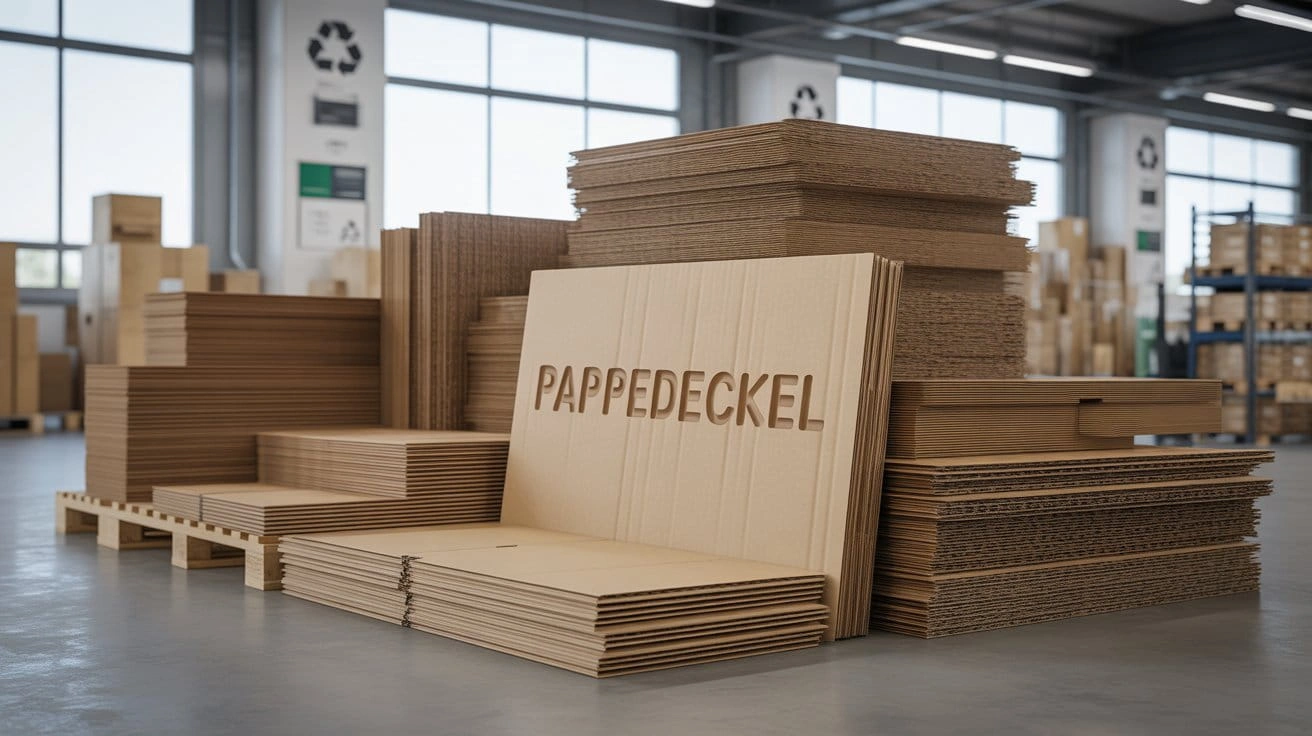
Packaging plays a crucial role in product protection, branding, logistics efficiency, and sustainability. As companies move away from plastic and foam materials, pappedeckel has become an increasingly important solution in modern packaging systems.
Businesses searching for this material typically want to understand how it improves shipping protection, whether it is recyclable, what types are available, and how it compares to plastic inserts. This comprehensive guide explains everything you need to know about pappedeckel in packaging, including benefits, limitations, real-world examples, and practical selection advice.
What Is Pappedeckel in Packaging?
Pappedeckel refers to thick, compressed cardboard sheets used as structural and protective elements in packaging. Unlike thin paperboard, it offers higher density and durability, making it ideal for stabilizing goods during transport and storage.
In packaging applications, it is commonly used as:
- Box inserts
- Layer pads between products
- Protective covers
- Reinforcement sheets
- Custom display bases
Manufacturers produce it mainly from recycled paper fibers, although stronger virgin fiber versions are also available when higher resistance is required.
Why Pappedeckel Is Important for Modern Packaging
Sustainable packaging has shifted from a trend to a necessity. Consumers expect environmentally responsible materials, and businesses face increasing pressure to reduce plastic waste. Fiber-based packaging materials meet these expectations while remaining cost-efficient.
Pappedeckel offers a balance between durability, affordability, and recyclability. For e-commerce companies in particular, it provides internal box protection without significantly increasing shipping weight.
Types of Pappedeckel Used in Packaging
Choosing the correct type depends on the product weight, transport conditions, and storage environment.
Graupappe for Rigid Support
This dense recycled board is widely used for structural inserts and rigid packaging components. It works well for stabilizing heavier goods.
Corrugated Variants for Shock Absorption
Corrugated versions contain a fluted inner layer that absorbs impact. These are suitable for fragile items shipped over long distances.
Kraft-Based Sheets for Higher Strength
Made from strong virgin fibers, these sheets resist tearing and perform well under pressure.
Laminated Options for Moisture Protection
Coated surfaces provide additional resistance against humidity, making them suitable for food-related packaging or refrigerated environments.
Each variation serves a specific packaging need, ensuring flexibility across industries.
Key Benefits of Pappedeckel in Packaging
Sustainable and Recyclable
Most pappedeckel sheets are made from recycled materials and can be recycled again after use. This supports circular packaging systems and reduces environmental impact.
Cost-Effective Protection
Compared to molded plastic or foam inserts, cardboard sheets are generally more affordable and easier to source in bulk quantities.
Lightweight but Strong
Despite its low weight, it offers sufficient compression strength for stacking and palletizing.
Customizable for Branding
Packaging components made from pappedeckel can be printed, cut, and shaped to match brand requirements. This enhances customer experience during unboxing.
Easy Integration into Automated Systems
Flat sheets are compatible with automated packaging lines, making them suitable for high-volume operations.
Challenges and Considerations
While highly practical, certain factors must be considered before selecting pappedeckel for packaging.
Sensitivity to Moisture
Standard sheets absorb water, which reduces structural integrity. Laminated versions are recommended in humid conditions.
Limited Reusability
It is generally designed for single-use transport rather than long-term repeated cycles.
Storage Requirements
To maintain quality, it must be stored in dry, well-ventilated spaces.
By evaluating these factors early, businesses can avoid performance issues.
Real-World Packaging Applications
E-Commerce Shipping
Online retailers use pappedeckel inserts to prevent product movement inside shipping boxes. This reduces breakage rates and improves customer satisfaction.
Pallet Layer Pads
Placed between stacked goods, these sheets distribute weight evenly and protect packaging surfaces from pressure damage.
Retail Product Displays
Rigid sheets form the base of countertop displays and point-of-sale units.
Food Packaging Reinforcement
When certified, it is used as cake bases, pizza supports, and beverage coasters, adding both stability and branding potential.
Step by Step Guide to Selecting Pappedeckel for Packaging
Choosing the correct solution requires a structured approach.
Step 1: Define Product Weight
Calculate the maximum load the sheet must support during stacking and transport.
Step 2: Evaluate Transport Conditions
Consider humidity, temperature fluctuations, and vibration during shipping.
Step 3: Determine Thickness and Density
Heavier goods require thicker, denser grades.
Step 4: Confirm Compliance Standards
For food packaging, ensure the material meets required safety certifications.
Step 5: Test with Real Shipments
Conduct trial shipments to assess compression strength and stability.
This process minimizes risk and ensures packaging efficiency.
Sustainability Impact in Packaging Operations
Switching from plastic inserts to pappedeckel significantly reduces non-recyclable waste. Because it is fiber-based, it aligns with modern environmental policies and consumer expectations.
Many companies report improved brand perception after transitioning to recyclable packaging materials. Customers increasingly associate cardboard packaging with environmental responsibility.
Additionally, its lightweight structure reduces overall shipment weight, which can contribute to lower transport emissions.
Business Case Example
A mid-sized electronics retailer replaced foam inserts with customized pappedeckel supports. Within one year, the company achieved:
- Lower packaging costs
- Reduced shipping weight
- Fewer damaged returns
- Stronger sustainability positioning
The transition required initial testing but resulted in measurable operational and marketing benefits.
Frequently Asked Questions About Pappedeckel in Packaging
What makes pappedeckel suitable for packaging?
Its combination of strength, lightweight structure, and recyclability makes it ideal for protecting goods during transport.
Is it strong enough for heavy products?
Yes, when the correct thickness and density are selected. Reinforced or corrugated versions provide additional strength.
Can it replace plastic packaging inserts?
In many dry applications, it can serve as an effective and more sustainable alternative.
Is pappedeckel environmentally friendly?
Most versions are made from recycled fibers and are fully recyclable, supporting circular packaging systems.
How should it be stored before use?
It should be kept in dry, temperature-controlled environments to maintain structural stability.
Expert Packaging Recommendations
From a professional packaging perspective, combining corrugated support with flat pappedeckel sheets often creates optimal internal box stability. Businesses should also conduct compression tests before large-scale implementation.
To maximize performance:
- Select thickness based on product load
- Use coated versions for humid conditions
- Request supplier quality certifications
- Monitor packaging performance through shipping trials
These steps ensure long-term efficiency and customer satisfaction.
Conclusion
Pappedeckel has become a core material in sustainable packaging strategies. It provides durability, affordability, and environmental advantages while supporting branding and automation needs.
For e-commerce businesses, manufacturers, and retailers, it offers a reliable way to protect products without relying on plastic-based inserts. By understanding available types, evaluating transport conditions, and testing performance, companies can integrate pappedeckel into their packaging systems effectively.
As sustainable packaging continues to evolve, fiber-based solutions like pappedeckel will remain essential for responsible and efficient product protection.

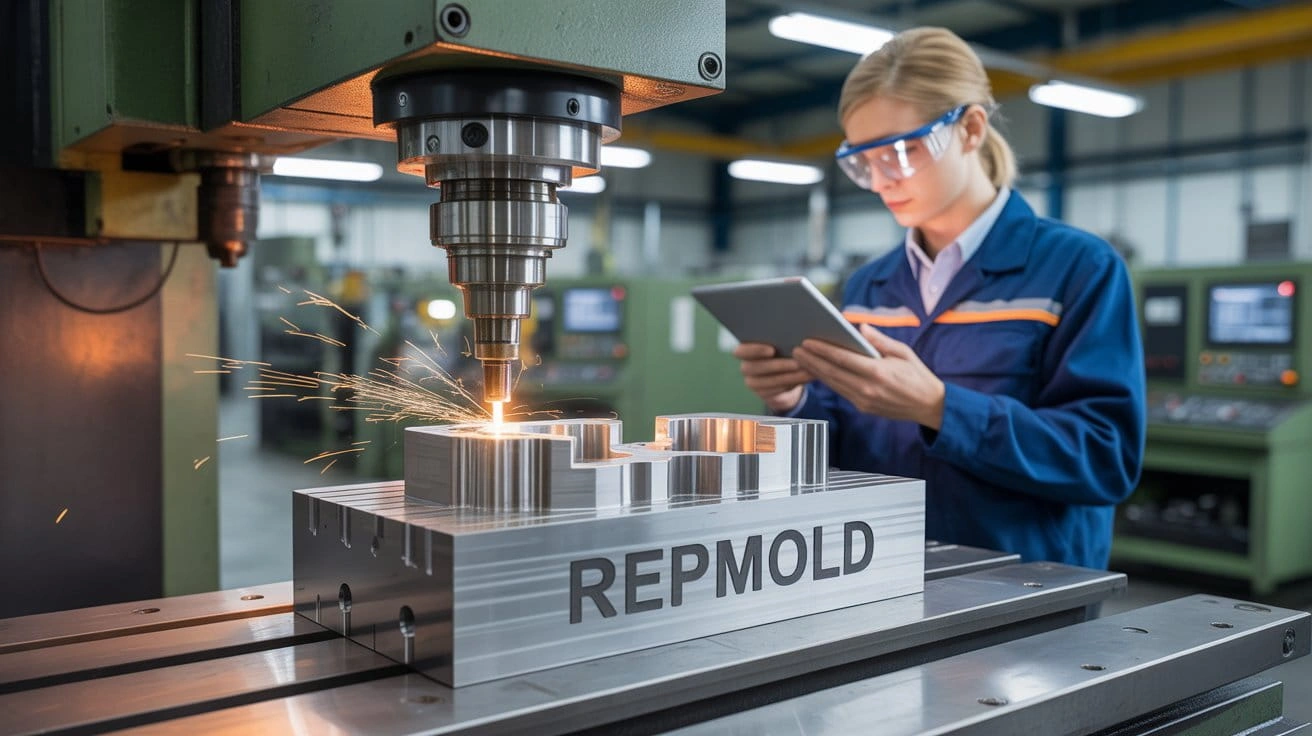
In today’s advanced manufacturing environment, precision and efficiency determine success. Companies that rely on mold systems must ensure durability, accuracy, and minimal downtime. This is where Repmold becomes highly relevant. Whether you are researching mold replication, refurbishment strategies, or production optimization, understanding how Repmold fits into modern industry can help you make informed decisions.
This guide explains what Repmold is, how it works, its advantages, potential limitations, and how businesses apply it in real-world production environments. The goal is to provide clear, practical insights that help manufacturers, engineers, and decision-makers evaluate whether this solution fits their operational needs.
What Is Repmold?
Repmold refers to a mold replication or refurbishment approach used in manufacturing to restore, reproduce, or enhance existing mold systems. Instead of replacing a mold entirely, this method focuses on recreating or repairing high-precision components to maintain production quality and reduce downtime.
In industries where injection molding, casting, or precision forming are central to operations, mold performance directly impacts product quality. Even minor wear can result in dimensional inconsistencies, surface defects, or production delays. Repmold addresses these issues by delivering a structured process for mold recovery or duplication.
Core Principles Behind Repmold
Understanding the foundation of Repmold helps clarify why it is increasingly adopted across industries.
Precision Replication
Modern engineering tools allow detailed scanning and modeling of existing molds. This ensures accurate duplication of geometry and tolerances.
Performance Restoration
Worn or damaged molds can be repaired to restore structural integrity and surface quality.
Production Continuity
Reducing downtime is essential in manufacturing. Repmold enables faster turnaround compared to ordering and waiting for entirely new molds.
Cost Management
By extending mold life, businesses reduce capital expenditure associated with complete replacements.
How Repmold Works in Manufacturing
The process typically follows a structured workflow:
1. Evaluation and Inspection
Engineers examine the existing mold for cracks, wear patterns, dimensional deviations, or surface defects.
2. Digital Modeling
Using advanced scanning and CAD software, a digital representation of the mold is created. This model captures exact geometry and tolerance specifications.
3. Material Analysis
The original mold material is evaluated. Replacement or repair materials are selected based on hardness, durability, and production requirements.
4. Machining and Fabrication
Precision CNC machining or other fabrication methods recreate or restore the mold structure.
5. Testing and Validation
Before returning the mold to full production, manufacturers conduct sample runs to verify accuracy and consistency.
This systematic approach ensures minimal risk and predictable results.
Benefits of Using Repmold
Organizations that integrate Repmold into their operations often experience measurable improvements.
Reduced Production Downtime
Replacing a mold entirely can disrupt schedules. Replication or refurbishment significantly shortens lead times.
Lower Capital Investment
In many cases, repairing or reproducing a mold is less expensive than full replacement.
Improved Product Consistency
High-precision restoration maintains dimensional accuracy and surface quality.
Extended Equipment Lifespan
Instead of discarding molds after wear appears, companies can restore them to optimal condition.
Sustainability Advantages
Extending mold life reduces material waste and supports responsible resource management.
Challenges and Considerations
Although Repmold offers many advantages, manufacturers should evaluate potential limitations.
Technical Complexity
High-precision replication requires advanced equipment and experienced engineers.
Material Constraints
Certain materials may not respond well to repair or restoration processes.
Quality Assurance Requirements
Improper calibration or machining errors can affect final product accuracy.
Initial Engineering Effort
Detailed inspection and modeling demand time and expertise before implementation.
A thorough evaluation ensures that the process delivers expected performance improvements.
Real-World Applications of Repmold
Repmold is widely used in industries where molds are central to production.
Automotive Manufacturing
Vehicle components such as dashboards, trims, and housings require consistent mold precision. Replication strategies help maintain uniform quality in high-volume production.
Medical Device Production
Medical components demand tight tolerances and reliability. Restoring molds ensures consistent output for items such as device casings and specialized equipment components.
Consumer Electronics
Plastic housings, connectors, and internal parts rely on accurate molds. Repairing molds instead of replacing them can reduce supply chain delays.
Packaging Industry
High-speed packaging lines depend on durable molds. Repmold helps maintain efficiency while controlling operational costs.
Step by Step Guide to Implementing Repmold
If your organization is considering this approach, follow a structured plan.
Step 1: Assess Current Mold Performance
Track defect rates, downtime frequency, and maintenance costs.
Step 2: Perform Cost Comparison
Compare the total expense of replacement versus restoration or replication.
Step 3: Consult Technical Specialists
Work with engineers experienced in mold analysis and precision machining.
Step 4: Conduct Pilot Testing
Run limited production batches to validate quality.
Step 5: Monitor Long-Term Performance
Evaluate durability, efficiency, and maintenance requirements over time.
This methodical process reduces operational risks.
Repmold Compared to Traditional Mold Replacement
Understanding the difference clarifies decision-making.
Traditional mold replacement typically involves ordering entirely new tooling. While this may be necessary in some cases, it often requires higher capital investment and longer lead times.
Repmold focuses on preserving or replicating existing molds with improved precision. It can shorten production interruptions and reduce material waste. For companies focused on operational efficiency, this approach often provides a balanced solution between cost and performance.
Technology Supporting Repmold Processes
Modern manufacturing tools enhance accuracy and reliability.
Common technologies include:
- Computer-aided design systems
- CNC machining centers
- 3D scanning equipment
- Hardness testing instruments
- Simulation software for injection processes
These tools ensure that molds meet exact production requirements.
Sustainability and Environmental Considerations
Manufacturers are increasingly focused on responsible production practices. Repmold supports sustainability by:
- Reducing scrap material
- Minimizing the need for new raw materials
- Extending the life of existing industrial assets
- Lowering the carbon impact associated with complete tooling replacement
Organizations pursuing environmental responsibility often view mold restoration as part of broader operational efficiency strategies.
Frequently Asked Questions About Repmold
What industries benefit most from Repmold?
Industries relying on high-precision molds such as automotive, medical devices, electronics, and packaging benefit significantly.
Is Repmold cost effective?
In many cases, yes. Restoration or replication often costs less than complete replacement, especially when structural integrity can be preserved.
How long does the process take?
The timeline depends on mold complexity, but it is generally shorter than manufacturing a new mold from scratch.
Can all molds be restored?
Not always. Severe structural damage or incompatible materials may require full replacement.
Does Repmold improve product quality?
When performed correctly, it maintains or enhances dimensional accuracy and surface finish, supporting consistent product quality.
Best Practices for Long-Term Success
To maximize results:
- Schedule regular inspections
- Maintain detailed mold documentation
- Track production metrics
- Train operators on handling and maintenance
- Use high-quality materials for repairs
Consistent monitoring ensures reliability and cost control.
Future Outlook
Manufacturing continues to evolve with automation and digital modeling advancements. Repmold is likely to benefit from:
- Improved scanning accuracy
- Faster machining systems
- Data-driven performance monitoring
- Predictive maintenance integration
Companies that adapt to modern tooling strategies strengthen their competitive position and production resilience.
Final Thoughts
Repmold offers a practical solution for organizations seeking to maintain precision, reduce downtime, and manage costs in mold-dependent production environments. By focusing on replication and restoration rather than full replacement, manufacturers can extend the lifespan of valuable tooling assets.
Successful implementation requires technical expertise, careful evaluation, and ongoing monitoring. When executed properly, Repmold supports consistent quality, operational efficiency, and long-term sustainability in modern manufacturing.


As a Senior Content Strategist with a focus on US higher education trends, I’ve seen the “academic burnout” curve sharpen significantly over the last few years. According to 2026 data from Research.com, nearly 27% of US students report feeling chronically burnt out, with 76% citing moderate to high stress levels within the past 30 days.
The culprit? A massive “time tax.” Between the average 15 hours of weekly class time and an additional 10-15 hours of independent study, the modern student is essentially working a full-time job—often while managing actual part-time employment. To combat this, a new wave of “Academic Tech” has emerged.
Here are the 5 productivity apps and services currently saving US students over 20 hours a week by streamlining the most time-consuming parts of university life.
5 Productivity Apps and Services Saving US Students 20+ Hours a Week
1. Notion: The “All-in-One” Campus HQ
Notion has moved beyond being a simple note-taking app; it is now the de facto central nervous system for US college students. By centralizing syllabi, habit trackers, and lecture notes into a single “Second Brain,” students eliminate the “fragmentation tax”—the 2-3 hours spent weekly just looking for files or checking deadlines.
- Time Saved: 4–5 hours/week (Organization & Retrieval).
- Best Feature: Database relations that link your “Reading List” directly to your “Assignment Calendar.”
2. MyAssignmentHelp: The Strategic Safety Net
While organization is key, the sheer volume of technical writing and research can become an insurmountable wall. This is where strategic delegation comes in. For many US students balancing a GPA with a side hustle or an internship, the ability to find professional help is a game-changer.
When the workload exceeds human capacity—especially during “hell weeks” (midterms and finals)—many students choose to do my homework through specialized platforms. This isn’t just about getting a grade; it’s about time-budgeting. By delegating the initial research or formatting of a complex 2,000-word essay, a student can reclaim an entire weekend for high-value networking or mental rest.
- Time Saved: 8–10 hours/week (Research & Drafting).
- Best Feature: Access to specialized assignment writers who understand US-specific academic rubrics (APA, MLA, Chicago).
3. Chronoid: AI-Powered Time Auditing
Most students don’t know where their time goes. Chronoid is a macOS-based AI tool that runs in the background, logging every second spent on research vs. social media. Unlike manual timers, its AI chat interface lets you ask: “Where did my Tuesday go?” * Time Saved: 3 hours/week (Focus Optimization).
- Best Feature: Real-time distraction blocking based on your actual productivity patterns.
4. Otter.ai: The Lecture Transformer
Recording a lecture is easy; transcribing and synthesizing it is where the hours disappear. Otter.ai uses real-time transcription and “AI Chat” to summarize hour-long lectures into 5-minute bulleted lists.
- Time Saved: 3–4 hours/week (Transcription & Review).
- Best Feature: Automated “Summary” emails sent 10 minutes after a class ends.
5. Forest: The Gamified Deep-Work Tool
Digital distraction is the #1 “time-thief” in US universities. Forest turns focus into a game: plant a virtual tree that grows while you work. If you leave the app to check TikTok, the tree dies. Over time, students build a literal “forest” representing their focused study hours.
- Time Saved: 2–3 hours/week (Eliminating Procrastination).
- Best Feature: They partner with Trees for the Future to plant real trees when you spend in-app coins.

Key Takeaways: The “Time Wealth” Strategy
| Tool/Service | Primary Benefit | Weekly Time Reclaimed |
| Notion | Eliminates file-searching and deadline confusion. | 4 Hours |
| MyAssignmentHelp | Handles research-heavy, technical writing tasks. | 10 Hours |
| Otter.ai | Automates lecture notes and summaries. | 3 Hours |
| Chronoid | Identifies and cuts out time-wasting apps. | 3 Hours |
| Forest | Forces “Deep Work” sessions. | 2 Hours |
| TOTAL | 22 Hours |
FAQ: Maximizing Student Productivity
Q: Is it ethical to use “assignment writers” for university work?
A: Using professional services is a form of academic tutoring and research assistance. In the US, it is widely viewed as a “model paper” service—providing a high-quality roadmap that students can use to understand complex topics and improve their own writing.
Q: Which app should I start with if I’m totally overwhelmed?
A: Start with Notion. You cannot fix your time if you don’t know your deadlines. Once your schedule is mapped out, you’ll see exactly where you need to delegate tasks to a service like MyAssignmentHelp to stay on track.
Q: Are these apps free for students?
A: Most offer “Education Plans.” Notion is free for anyone with a .edu email. Forest has a one-time low fee, and Otter.ai offers a robust free tier for a set number of minutes per month.
References & Data Sources
To ensure the highest level of accuracy, the data and trends cited in this article are derived from the following peer-reviewed studies and institutional reports:
- Healthy Minds Network (2025). The Healthy Minds Study: 2024-2025 Data Report. This national study of over 84,000 students found that while acute anxiety is slightly declining, 27% of students still report high levels of academic burnout.
- American College Health Association (ACHA, Fall 2024). National College Health Assessment. Data confirms that 78% of US undergraduate students experienced moderate to high stress levels within the last 30 days, primarily driven by academic deadlines.
- National Center for Education Statistics (NCES). Time Use Patterns of Undergraduate Students. Statistics indicate that for every hour spent in a US classroom, students are expected to perform 2-3 hours of independent study, often totaling 45+ hours of academic work per week.
- Frontiers in Education (2025). Boosting Productivity and Wellbeing Through Time Management. Research published in 2025 highlights how structured behaviors—including the use of productivity apps and delegating tasks—directly correlate with reduced burnout and higher GPA.
- Harvard Graduate School of Education (2025). The Impact of Personalized Academic Support. A study co-sponsored by the EdRedesign Lab proves that individualized academic assistance significantly raises standardized test scores and college persistence rates.
The internet regularly introduces new terms that do not immediately appear in dictionaries yet gain momentum through branding, innovation, and evolving digital culture. Primerem is one such term. It has begun appearing across conversations related to strategy, identity, product design, and systems thinking. Although it does not have a single fixed definition, the way it is used reveals a clear pattern that explains why interest continues to grow.
This article explains what primerem represents, how the idea is applied today, its advantages and limitations, and how individuals and organizations can use the framework effectively in real-world situations.
Primerem Definition and Conceptual Meaning
At its foundation, primerem refers to the idea of intentional beginnings built for longevity. Linguistically, it draws from the notion of something “prime” or essential, combined with a structure that implies permanence rather than a temporary layer.
Unlike concepts that focus only on preparation, this term suggests preparation that remains relevant long after the initial stage. The emphasis is on creating a base that continues to strengthen everything built on top of it rather than being replaced or hidden.
In modern usage, the concept often points to:
- A foundational structure designed for long-term performance
- A starting point that shapes future outcomes
- A premium baseline rather than a surface-level improvement
Because it adapts to context, its meaning shifts slightly depending on the field in which it is applied.
How the Concept Is Used Today
Semantic patterns show that primerem is consistently linked with themes such as structure, readiness, durability, and clarity. It is rarely associated with short-term fixes or cosmetic changes.
In branding discussions, it reflects identity before expansion. In digital systems, it describes core logic instead of optional add-ons & In product language, it refers to enhancement integrated directly into the base.
What connects all of these interpretations is a shared focus on building something that does not lose relevance as it scales.
Benefits of a Primerem-Driven Approach
Stronger Foundations
One of the most significant benefits of primerem is its emphasis on building strong foundations early. This reduces the need for constant correction and restructuring later.
Long-Term Consistency
Because the approach prioritizes core structure, it supports consistency as projects evolve. Systems and brands built this way tend to scale with fewer disruptions.
Premium Perception
The language and philosophy behind primerem naturally signal care, quality, and intentional design. When applied correctly, it helps build trust and credibility.
Cross-Industry Flexibility
Another advantage is versatility. The idea works across business, technology, creative work, and personal development without losing its core purpose.
Challenges and Limitations
Lack of a Universal Definition
The absence of a single agreed-upon definition can create confusion. Since primerem is still emerging, interpretation depends heavily on context.
Risk of Overuse
When modern terms gain attention, they are sometimes used without substance. Applying this concept without meaningful structure can weaken its value.
Audience Familiarity
Not all audiences recognize the term yet. Without explanation, it may feel abstract or unclear, particularly in formal or technical environments.
Real-World Examples of Primerem in Action
Digital Strategy and Systems
In digital environments, primerem often refers to the internal structure that governs how a platform adapts over time. Instead of relying on repeated fixes, systems designed this way evolve more smoothly.
Branding and Identity
Brands using this framework focus on defining their core message before aggressive promotion. This results in clearer communication and stronger recognition.
Product and Experience Design
In design, the concept represents enhancement that exists within the core experience rather than being added later as a correction.
Personal Development
On an individual level, primerem thinking emphasizes mastering fundamentals before pursuing shortcuts, leading to more sustainable growth.
How to Apply Primerem Effectively
Applying It in Business
Begin by identifying essential values and functions. Build workflows, messaging, and systems around these elements so growth reinforces the foundation instead of replacing it.
Applying It in Creative Work
Creative projects benefit when the core idea is clearly defined at the start. A strong foundation reduces confusion and keeps execution aligned.
Applying It in Daily Life
This approach encourages prioritizing fundamentals such as discipline, clarity, and essential skills before adding complexity.
Step-by-Step Framework
- Define the essential purpose
- Strengthen the core before expansion
- Align growth with the foundation
- Refine fundamentals continuously
- Let progress enhance, not distort, the base
FAQ’s
What does primerem mean?
Primerem describes a foundational approach that combines preparation with long-term enhancement rather than temporary readiness.
Is it a technical term?
No. It is a conceptual term used across multiple industries to describe intentional foundational design.
How is it different from a basic primer?
A basic primer prepares something briefly. Primerem implies an integrated base that continues to add value.
Can it be applied to branding?
Yes. Many branding strategies align with this concept because it emphasizes clarity, identity, and consistency.
Is primerem relevant in 2026?
Yes. The idea fits current trends that prioritize durability, sustainability, and long-term thinking.
Conclusion
Primerem is best understood as a philosophy centered on doing essential work at the beginning and doing it well. It promotes clarity, structure, and durability rather than speed alone.
As industries increasingly value long-term impact in 2026, this concept stands out as a reminder that strong outcomes depend on strong foundations. Whether applied to systems, brands, products, or personal growth, the principles behind primerem encourage building something meant to last.

Seattle Seahawks vs Pittsburgh Steelers Match Player Stats Breakdown

Buffalo Bills vs New York Jets Match Player Stats

sparkpressfusion com Complete Guide for Content Creators

Celebrity Engagement Ring Trends 2026: Why Stars Are Ditching Diamonds for Emeralds

Chicago Bears vs Detroit Lions Match Player Stats Guide

Ole Miss Rebels Football vs Georgia Bulldogs Football Match Player Stats

How iTop Enhances Security and Performance on Your Computer

How AI Is Redefining Product Discovery in Ecommerce

Buffalo Bills vs New England Patriots Match Player Stats

Seattle Seahawks vs Los Angeles Rams Match Player Stats Analysis

Los Angeles Rams vs Detroit Lions Match Player Stats Breakdown

Detroit Lions vs San Francisco 49ers Match Player Stats

San Francisco 49ers vs Kansas City Chiefs Match Player Stats

Baltimore Ravens vs Los Angeles Chargers Match Player Stats

Buffalo Bills vs Seattle Seahawks Match Player Stats

Houston Texans vs New York Jets Match Player Stats

New Orleans Saints vs Kansas City Chiefs Match Player Stats

Detroit Lions vs Houston Texans Match Player Stats

How to Use Your Enterprise SEO Platform to Win Generative Engine Results

10 Reasons to Bookmark Melba Magazine Right Now

Remembering Paul Dorries: Life, Legacy & Influence

Avant Garde Fashion: Meaning, Impact and Influence

3 Facts About Pitbull Singer That Define His Global Fame

Inflatom: Smart Expansion Technology Redefining Modern Systems

Detroit Lions vs 49ers Match Player Stats: Full Breakdown & Analysis

The Emerging Influence of Nikki Hakuta

Nick Sandmann Net Worth Explained in 2025

Fun Craft Thunderonthegulf Creative Adventures

MSB247: The Complete Guide for Modern Digital Solutions

Nate Bargatze Net Worth in 2025: A Complete Analysis

How Much Does Sabrina Carpenter Weigh

William Carlyle Hall: A Comprehensive Guide to His Legacy

Steeldrivers Band Members: A Complete 2025 Guide

Lexoworpenz: AI-Powered Automation for Modern Workflows

Realifecamù Explained Live Camera Platform Guide 2025

Bernie Bourke: The Life, Career, and Story Behind the Name

Luh Tyler Age and Rise of a Gen Z Rap Breakout

Who Is Alex Ramsey? Identity, Influence, and Public Interest

Who Is J. Holt Smith? A Complete Biography and Analysis

Kelsea Ballerini Net Worth 2025: Income, Career, and Growth
-
 Celebrity3 months ago
Remembering Paul Dorries: Life, Legacy & Influence
-
 Fashion3 months ago
Avant Garde Fashion: Meaning, Impact and Influence
-
 Celebrity3 months ago
3 Facts About Pitbull Singer That Define His Global Fame
-
 Tech3 months ago
Inflatom: Smart Expansion Technology Redefining Modern Systems
-
 Entertainment3 months ago
Detroit Lions vs 49ers Match Player Stats: Full Breakdown & Analysis
-
 Celebrity3 months ago
The Emerging Influence of Nikki Hakuta
-
 Celebrity3 months ago
Nick Sandmann Net Worth Explained in 2025
-
 Entertainment3 months ago
Fun Craft Thunderonthegulf Creative Adventures