
Business
BinusCX Explained A Practical Guide for 2025

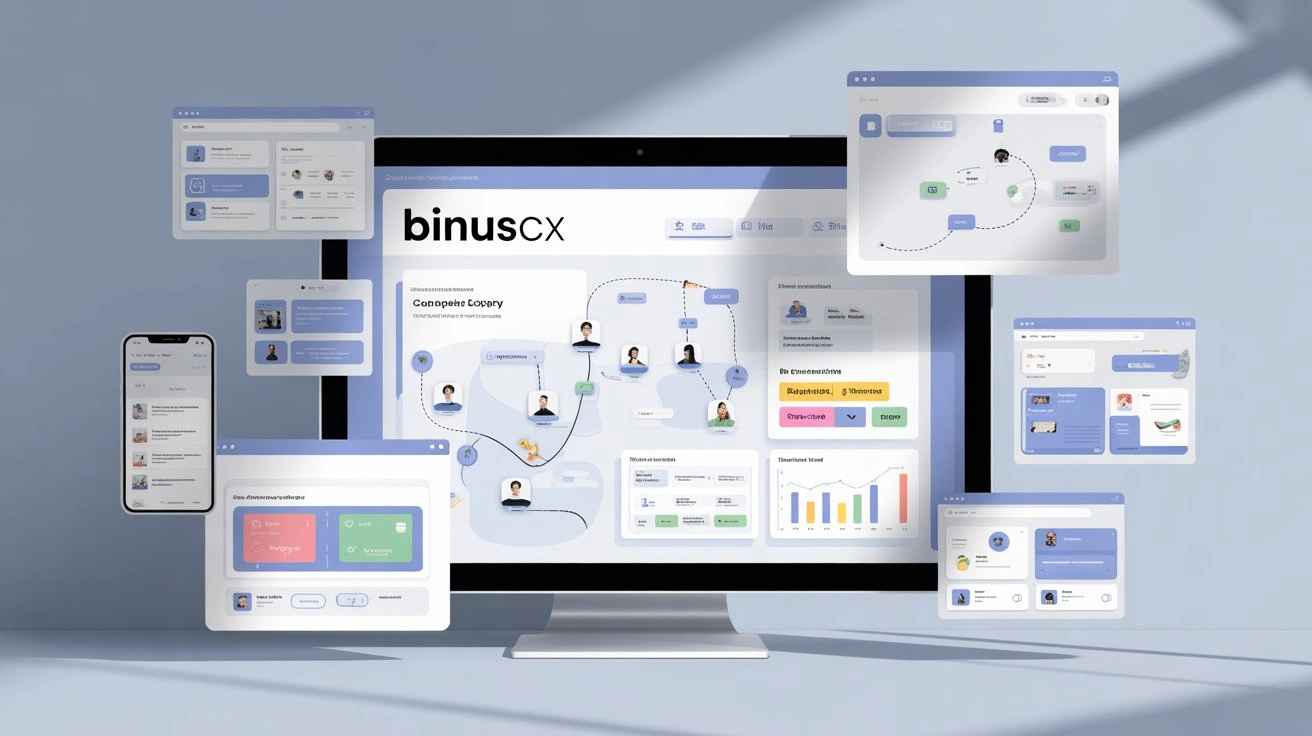
In 2025, organizations are under intense pressure to deliver consistent, data-driven, and human-centered customer experiences. As digital touchpoints multiply, leaders search for structured ways to understand customer behavior, measure satisfaction, and turn insights into action. BinusCX has emerged in discussions around modern customer experience strategy, learning frameworks, and applied CX execution as a response to these demands.
This guide is written for business leaders, CX professionals, students, and decision-makers who want clarity rather than hype. It explains what this model represents, why it matters, how it is applied in real situations, and what challenges organizations should anticipate. The goal is to help you decide whether BinusCX aligns with your customer experience objectives in 2025 and beyond.
Understanding the Concept of BinusCX
What Is BinusCX
BinusCX refers to a structured customer experience framework that integrates customer research, journey mapping, experience measurement, and continuous improvement into one cohesive system. Instead of treating CX as a single department or standalone tool, it positions experience management as an organization-wide discipline.
This approach connects customer emotions, behaviors, and expectations with measurable business outcomes. By blending academic CX principles with real-world execution, the framework supports both learning environments and professional implementation.
Why the Concept Is Gaining Attention in 2025
The growing interest in BinusCX reflects broader shifts in how organizations manage experience. Businesses are moving beyond surface-level satisfaction metrics toward deeper experience intelligence that explains why customers behave the way they do.
Advances in AI analytics, omnichannel engagement, and privacy-focused data strategies have increased the need for structured CX systems. At the same time, employers seek professionals who can translate CX theory into practice, which further increases interest in this framework.
The Core Elements Behind the Framework
Customer-Centered Design Philosophy
At its foundation, BinusCX prioritizes customer needs over internal assumptions. Every decision begins with understanding who the customer is, what problem they are trying to solve, and how they emotionally experience each interaction.
This philosophy reduces friction, improves satisfaction, and ensures that experience improvements are meaningful rather than superficial.
Data and Experience Intelligence
Modern CX requires more than intuition. The model integrates qualitative insights such as interviews and feedback with quantitative data like retention, effort scores, and conversion rates. The objective is to create a reliable, actionable view of experience performance.
Cross-Functional Collaboration
Customer experience fails when teams operate in silos. The BinusCX approach encourages shared ownership across departments so insights gathered by one team lead to action by another, enabling sustainable improvement.
Key Benefits of Adopting BinusCX
Stronger Customer Loyalty and Trust
Organizations applying BinusCX principles often report improved loyalty because experiences feel intentional and consistent. Customers recognize when their feedback drives real change, which strengthens emotional connection and trust.
Better Decision-Making Through Clarity
Instead of scattered dashboards and conflicting metrics, this CX model promotes clear experience goals tied directly to business outcomes. Leaders can prioritize initiatives using evidence rather than assumptions.
Scalable Experience Management
As organizations grow, maintaining service quality becomes difficult. BinusCX provides a repeatable structure that scales across regions, channels, and teams without losing customer focus.
Skill Development and CX Maturity
For teams and individuals, the framework builds practical CX capabilities such as journey mapping, experience measurement, and insight storytelling. Over time, organizations evolve from reactive problem-solving to proactive experience design.
Challenges and Limitations to Consider
Cultural Resistance
Implementing BinusCX requires a mindset shift. Teams accustomed to operating independently may resist shared ownership of customer outcomes. Leadership support is essential to overcome this challenge.
Data Integration Complexity
Customer data often exists in disconnected systems. Aligning feedback, behavioral insights, and operational metrics into a single view can be technically demanding and time-intensive.
Measuring What Truly Matters
One common challenge in experience initiatives is metric overload. This framework requires discipline to focus only on indicators that drive meaningful change rather than tracking everything.
How BinusCX Works in Practice
Step One Defining the Experience Vision
Organizations begin by articulating a clear experience promise aligned with brand values and customer expectations. This vision becomes the reference point for CX decisions.
Step Two Mapping Customer Journeys
Customer journeys are mapped across awareness, purchase, usage, and support stages. Pain points, emotions, and moments of truth are identified using real customer input.
Step Three Measuring and Analyzing Experience
Experience data is collected through surveys, digital behavior tracking, and qualitative feedback. BinusCX emphasizes linking insights directly to operational processes.
Step Four Designing Improvements
Based on evidence, teams design targeted improvements such as process changes, digital enhancements, or employee training focused on critical moments.
Step Five Continuous Optimization
Customer experience is not a one-time project. The system supports continuous learning, where results are monitored, feedback is reassessed, and strategies are refined.
Real-World Examples of BinusCX in Action
Retail Experience Transformation
A mid-sized retail brand used BinusCX principles to understand online cart abandonment. Journey analysis revealed checkout confusion and inconsistent delivery messaging. After improvements, abandonment dropped and repeat purchases increased within six months.
Education and Learning Environments
In academic settings, the framework has helped improve student experience across enrollment, digital learning platforms, and support services. Aligning teams around student feedback led to higher engagement without increased costs.
Digital Service Optimization
A digital service provider applied BinusCX to unify feedback from chat, email, and in-app interactions. This holistic view enabled faster resolution times and improved first-contact success.
BinusCX and EEAT Principles in 2025
Experience and Expertise
The strength of BinusCX lies in its practical application. It draws from real CX initiatives, user research practices, and measurable results rather than abstract theory.
Authoritativeness
The framework aligns with established CX standards such as journey-based design, voice-of-customer systems, and experience governance models used by mature organizations.
Trustworthiness
Transparency is central to the approach. Decisions rely on verifiable customer data, and improvements are tracked against clear performance indicators.
Common Use Cases for BinusCX
Organizations typically adopt BinusCX when launching new digital products, redesigning service models, improving retention, or building internal CX capabilities. It is particularly valuable during periods of growth or transformation.
Frequently Asked Questions About BinusCX
What problem does BinusCX solve
It addresses fragmented CX efforts by providing a unified structure that connects customer insights to business action.
Is BinusCX suitable for small organizations
Yes. The principles can be applied incrementally by small teams focusing on critical customer journeys.
Does BinusCX require specific software
No. The framework is tool-agnostic and works with existing CRM, analytics, and survey platforms.
How long does it take to see results
Initial improvements often appear within a few months, with long-term value coming from continuous use.
How is BinusCX different from traditional CX models
It emphasizes continuous learning, shared ownership, and outcome-based improvement rather than static metrics.
Final Thoughts on BinusCX
In an experience-driven economy, organizations cannot afford to treat CX as an afterthought. BinusCX provides a practical, structured way to design, measure, and improve experiences that matter. By combining empathy, data discipline, and organizational alignment, it helps build loyalty, trust, and sustainable growth.


As a Senior Content Strategist with a focus on US higher education trends, I’ve seen the “academic burnout” curve sharpen significantly over the last few years. According to 2026 data from Research.com, nearly 27% of US students report feeling chronically burnt out, with 76% citing moderate to high stress levels within the past 30 days.
The culprit? A massive “time tax.” Between the average 15 hours of weekly class time and an additional 10-15 hours of independent study, the modern student is essentially working a full-time job—often while managing actual part-time employment. To combat this, a new wave of “Academic Tech” has emerged.
Here are the 5 productivity apps and services currently saving US students over 20 hours a week by streamlining the most time-consuming parts of university life.
5 Productivity Apps and Services Saving US Students 20+ Hours a Week
1. Notion: The “All-in-One” Campus HQ
Notion has moved beyond being a simple note-taking app; it is now the de facto central nervous system for US college students. By centralizing syllabi, habit trackers, and lecture notes into a single “Second Brain,” students eliminate the “fragmentation tax”—the 2-3 hours spent weekly just looking for files or checking deadlines.
- Time Saved: 4–5 hours/week (Organization & Retrieval).
- Best Feature: Database relations that link your “Reading List” directly to your “Assignment Calendar.”
2. MyAssignmentHelp: The Strategic Safety Net
While organization is key, the sheer volume of technical writing and research can become an insurmountable wall. This is where strategic delegation comes in. For many US students balancing a GPA with a side hustle or an internship, the ability to find professional help is a game-changer.
When the workload exceeds human capacity—especially during “hell weeks” (midterms and finals)—many students choose to do my homework through specialized platforms. This isn’t just about getting a grade; it’s about time-budgeting. By delegating the initial research or formatting of a complex 2,000-word essay, a student can reclaim an entire weekend for high-value networking or mental rest.
- Time Saved: 8–10 hours/week (Research & Drafting).
- Best Feature: Access to specialized assignment writers who understand US-specific academic rubrics (APA, MLA, Chicago).
3. Chronoid: AI-Powered Time Auditing
Most students don’t know where their time goes. Chronoid is a macOS-based AI tool that runs in the background, logging every second spent on research vs. social media. Unlike manual timers, its AI chat interface lets you ask: “Where did my Tuesday go?” * Time Saved: 3 hours/week (Focus Optimization).
- Best Feature: Real-time distraction blocking based on your actual productivity patterns.
4. Otter.ai: The Lecture Transformer
Recording a lecture is easy; transcribing and synthesizing it is where the hours disappear. Otter.ai uses real-time transcription and “AI Chat” to summarize hour-long lectures into 5-minute bulleted lists.
- Time Saved: 3–4 hours/week (Transcription & Review).
- Best Feature: Automated “Summary” emails sent 10 minutes after a class ends.
5. Forest: The Gamified Deep-Work Tool
Digital distraction is the #1 “time-thief” in US universities. Forest turns focus into a game: plant a virtual tree that grows while you work. If you leave the app to check TikTok, the tree dies. Over time, students build a literal “forest” representing their focused study hours.
- Time Saved: 2–3 hours/week (Eliminating Procrastination).
- Best Feature: They partner with Trees for the Future to plant real trees when you spend in-app coins.

Key Takeaways: The “Time Wealth” Strategy
| Tool/Service | Primary Benefit | Weekly Time Reclaimed |
| Notion | Eliminates file-searching and deadline confusion. | 4 Hours |
| MyAssignmentHelp | Handles research-heavy, technical writing tasks. | 10 Hours |
| Otter.ai | Automates lecture notes and summaries. | 3 Hours |
| Chronoid | Identifies and cuts out time-wasting apps. | 3 Hours |
| Forest | Forces “Deep Work” sessions. | 2 Hours |
| TOTAL | 22 Hours |
FAQ: Maximizing Student Productivity
Q: Is it ethical to use “assignment writers” for university work?
A: Using professional services is a form of academic tutoring and research assistance. In the US, it is widely viewed as a “model paper” service—providing a high-quality roadmap that students can use to understand complex topics and improve their own writing.
Q: Which app should I start with if I’m totally overwhelmed?
A: Start with Notion. You cannot fix your time if you don’t know your deadlines. Once your schedule is mapped out, you’ll see exactly where you need to delegate tasks to a service like MyAssignmentHelp to stay on track.
Q: Are these apps free for students?
A: Most offer “Education Plans.” Notion is free for anyone with a .edu email. Forest has a one-time low fee, and Otter.ai offers a robust free tier for a set number of minutes per month.
References & Data Sources
To ensure the highest level of accuracy, the data and trends cited in this article are derived from the following peer-reviewed studies and institutional reports:
- Healthy Minds Network (2025). The Healthy Minds Study: 2024-2025 Data Report. This national study of over 84,000 students found that while acute anxiety is slightly declining, 27% of students still report high levels of academic burnout.
- American College Health Association (ACHA, Fall 2024). National College Health Assessment. Data confirms that 78% of US undergraduate students experienced moderate to high stress levels within the last 30 days, primarily driven by academic deadlines.
- National Center for Education Statistics (NCES). Time Use Patterns of Undergraduate Students. Statistics indicate that for every hour spent in a US classroom, students are expected to perform 2-3 hours of independent study, often totaling 45+ hours of academic work per week.
- Frontiers in Education (2025). Boosting Productivity and Wellbeing Through Time Management. Research published in 2025 highlights how structured behaviors—including the use of productivity apps and delegating tasks—directly correlate with reduced burnout and higher GPA.
- Harvard Graduate School of Education (2025). The Impact of Personalized Academic Support. A study co-sponsored by the EdRedesign Lab proves that individualized academic assistance significantly raises standardized test scores and college persistence rates.
The internet regularly introduces new terms that do not immediately appear in dictionaries yet gain momentum through branding, innovation, and evolving digital culture. Primerem is one such term. It has begun appearing across conversations related to strategy, identity, product design, and systems thinking. Although it does not have a single fixed definition, the way it is used reveals a clear pattern that explains why interest continues to grow.
This article explains what primerem represents, how the idea is applied today, its advantages and limitations, and how individuals and organizations can use the framework effectively in real-world situations.
Primerem Definition and Conceptual Meaning
At its foundation, primerem refers to the idea of intentional beginnings built for longevity. Linguistically, it draws from the notion of something “prime” or essential, combined with a structure that implies permanence rather than a temporary layer.
Unlike concepts that focus only on preparation, this term suggests preparation that remains relevant long after the initial stage. The emphasis is on creating a base that continues to strengthen everything built on top of it rather than being replaced or hidden.
In modern usage, the concept often points to:
- A foundational structure designed for long-term performance
- A starting point that shapes future outcomes
- A premium baseline rather than a surface-level improvement
Because it adapts to context, its meaning shifts slightly depending on the field in which it is applied.
How the Concept Is Used Today
Semantic patterns show that primerem is consistently linked with themes such as structure, readiness, durability, and clarity. It is rarely associated with short-term fixes or cosmetic changes.
In branding discussions, it reflects identity before expansion. In digital systems, it describes core logic instead of optional add-ons & In product language, it refers to enhancement integrated directly into the base.
What connects all of these interpretations is a shared focus on building something that does not lose relevance as it scales.
Benefits of a Primerem-Driven Approach
Stronger Foundations
One of the most significant benefits of primerem is its emphasis on building strong foundations early. This reduces the need for constant correction and restructuring later.
Long-Term Consistency
Because the approach prioritizes core structure, it supports consistency as projects evolve. Systems and brands built this way tend to scale with fewer disruptions.
Premium Perception
The language and philosophy behind primerem naturally signal care, quality, and intentional design. When applied correctly, it helps build trust and credibility.
Cross-Industry Flexibility
Another advantage is versatility. The idea works across business, technology, creative work, and personal development without losing its core purpose.
Challenges and Limitations
Lack of a Universal Definition
The absence of a single agreed-upon definition can create confusion. Since primerem is still emerging, interpretation depends heavily on context.
Risk of Overuse
When modern terms gain attention, they are sometimes used without substance. Applying this concept without meaningful structure can weaken its value.
Audience Familiarity
Not all audiences recognize the term yet. Without explanation, it may feel abstract or unclear, particularly in formal or technical environments.
Real-World Examples of Primerem in Action
Digital Strategy and Systems
In digital environments, primerem often refers to the internal structure that governs how a platform adapts over time. Instead of relying on repeated fixes, systems designed this way evolve more smoothly.
Branding and Identity
Brands using this framework focus on defining their core message before aggressive promotion. This results in clearer communication and stronger recognition.
Product and Experience Design
In design, the concept represents enhancement that exists within the core experience rather than being added later as a correction.
Personal Development
On an individual level, primerem thinking emphasizes mastering fundamentals before pursuing shortcuts, leading to more sustainable growth.
How to Apply Primerem Effectively
Applying It in Business
Begin by identifying essential values and functions. Build workflows, messaging, and systems around these elements so growth reinforces the foundation instead of replacing it.
Applying It in Creative Work
Creative projects benefit when the core idea is clearly defined at the start. A strong foundation reduces confusion and keeps execution aligned.
Applying It in Daily Life
This approach encourages prioritizing fundamentals such as discipline, clarity, and essential skills before adding complexity.
Step-by-Step Framework
- Define the essential purpose
- Strengthen the core before expansion
- Align growth with the foundation
- Refine fundamentals continuously
- Let progress enhance, not distort, the base
FAQ’s
What does primerem mean?
Primerem describes a foundational approach that combines preparation with long-term enhancement rather than temporary readiness.
Is it a technical term?
No. It is a conceptual term used across multiple industries to describe intentional foundational design.
How is it different from a basic primer?
A basic primer prepares something briefly. Primerem implies an integrated base that continues to add value.
Can it be applied to branding?
Yes. Many branding strategies align with this concept because it emphasizes clarity, identity, and consistency.
Is primerem relevant in 2026?
Yes. The idea fits current trends that prioritize durability, sustainability, and long-term thinking.
Conclusion
Primerem is best understood as a philosophy centered on doing essential work at the beginning and doing it well. It promotes clarity, structure, and durability rather than speed alone.
As industries increasingly value long-term impact in 2026, this concept stands out as a reminder that strong outcomes depend on strong foundations. Whether applied to systems, brands, products, or personal growth, the principles behind primerem encourage building something meant to last.
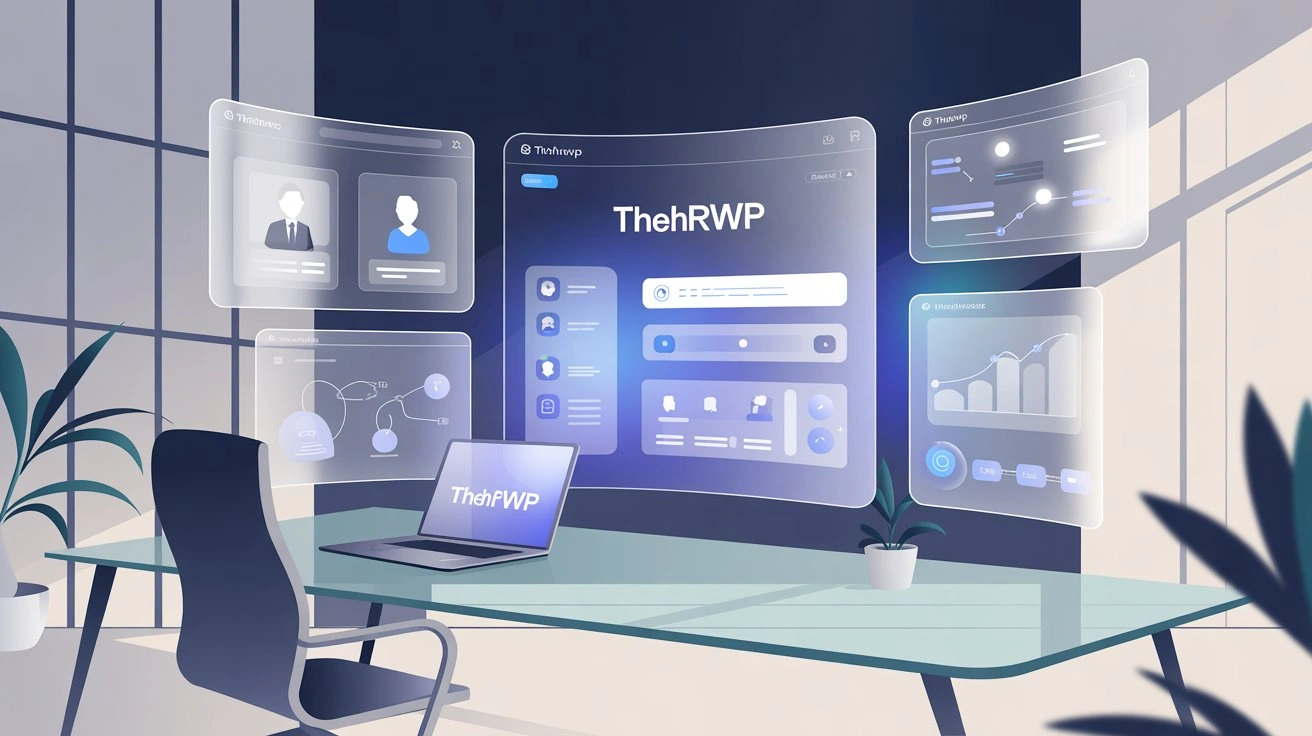
Human resource management is no longer limited to files, forms, and fragmented systems. As businesses adapt to remote work, automation, and data-driven decisions, HR teams are under pressure to evolve. This is where thehrwp becomes relevant. It represents a modern approach to managing people, processes, and performance through a unified digital workflow.
Organizations today seek clarity, efficiency, and transparency in HR operations. Thehrwp addresses these needs by bringing multiple HR functions into one connected environment. This article explains what it is, why it matters, how it is used, and what challenges organizations should expect when adopting it.
What Is thehrwp? A Clear Definition
The term thehrwp generally refers to a human resource workflow platform designed to centralize and automate HR processes. Instead of handling recruitment, payroll, performance reviews, and employee records in separate systems, this approach combines them into a single operational framework.
At its foundation, thehrwp focuses on workflows. Each HR task follows a structured path, from initiation to approval and completion. This reduces manual errors and ensures accountability across teams.
In some environments, it is also associated with HR systems built on content management platforms, allowing organizations to manage HR operations alongside internal communication and documentation.
Why thehrwp Is Important in Today’s Workplace
The modern workplace is more complex than ever. Teams are distributed, employee expectations are higher, and compliance requirements continue to grow. Traditional HR methods struggle to keep pace with these demands.
Thehrwp supports organizations by providing consistency and visibility. Managers can track workforce data in real time, while employees gain access to self-service tools that reduce dependency on HR staff.
This shift is not only about efficiency. It reflects a broader transformation where HR becomes a strategic function rather than an administrative one.
Core Features That Define thehrwp
While implementations may vary, most platforms built around thehrwp concept share several essential capabilities.
Workflow Automation
Routine tasks such as leave approvals, onboarding steps, and performance reviews follow predefined paths, reducing delays and confusion.
Centralized Employee Data
All employee information is stored in one secure system, making updates, audits, and reporting more reliable.
Analytics and Reporting
Dashboards provide insights into hiring trends, attrition rates, and engagement levels, helping leaders make informed decisions.
Employee Self-Service
Employees can access payslips, request time off, and update personal details without manual HR intervention.
Key Benefits of Using thehrwp
Organizations that adopt thehrwp often experience improvements across multiple dimensions of HR performance.
Operational Efficiency
Automation reduces repetitive work, allowing HR professionals to focus on talent development and strategy rather than paperwork.
Improved Accuracy
Standardized workflows reduce human error in payroll processing, compliance reporting, and employee records.
Better Employee Experience
When employees can easily access information and complete requests, satisfaction and trust in HR processes increase.
Scalability
As businesses grow, thehrwp adapts without requiring major system changes, making it suitable for both small teams and large enterprises.
Challenges and Limitations to Consider
Despite its advantages, implementing thehrwp is not without obstacles.
Change Management
Employees and HR staff may resist new systems, especially if they are accustomed to manual processes. Training and communication are essential.
Initial Setup Complexity
Configuring workflows, permissions, and data structures requires planning and technical input.
Data Migration Risks
Transferring historical HR data must be handled carefully to avoid inaccuracies or loss of information.
Cost Considerations
While long-term savings are common, the initial investment can be a concern for smaller organizations.
Real-World Examples of thehrwp in Action
A mid-sized organization with frequent hiring cycles implemented thehrwp to streamline recruitment and onboarding. As a result, new hires completed documentation faster, managers approved requests on time, and HR gained better visibility into workforce planning.
In another case, a distributed team used thehrwp to manage performance reviews and engagement surveys. The centralized data helped leadership identify skill gaps and address burnout before it affected productivity.
These examples show how structured workflows improve both efficiency and employee satisfaction.
How to Implement thehrwp Successfully
Adopting thehrwp works best when approached methodically.
Step One: Assess HR Needs
Identify current pain points such as delayed approvals, duplicate data, or poor reporting.
Step Two: Define Workflows
Map out how HR processes should function, from hiring to exit management.
Step Three: Prepare Data
Clean and organize existing employee data before migration.
Step Four: Train Stakeholders
Ensure HR teams, managers, and employees understand how to use the system.
Step Five: Review and Improve
Monitor usage and refine workflows based on feedback and performance metrics.
thehrwp and Compliance Management
Compliance is a critical concern for HR departments. Thehrwp supports compliance by enforcing standardized processes and maintaining accurate records.
Audit trails, access controls, and automated alerts help organizations meet legal obligations and reduce risk. This is particularly valuable in industries with strict labor and data protection regulations.
Future Trends Related to thehrwp
As HR technology evolves, thehrwp is expected to integrate more advanced capabilities. Artificial intelligence may assist with predictive hiring, employee sentiment analysis, and personalized development plans.
Integration with collaboration tools and learning platforms will further blur the line between HR operations and employee experience. These trends suggest that workflow-centric HR systems will continue to gain importance.
Frequently Asked Questions
What is thehrwp used for?
It is used to manage and automate HR workflows, including recruitment, onboarding, performance management, and employee data.
Is thehrwp suitable for small businesses?
Yes. Its scalability allows small organizations to start with essential features and expand as they grow.
Does thehrwp replace HR staff?
No. It supports HR professionals by reducing administrative work, allowing them to focus on strategic initiatives.
Can thehrwp support remote teams?
Yes. Cloud-based access ensures employees and managers can use HR tools from any location.
How secure is thehrwp?
Security is typically built in through encryption, role-based access, and regular system updates.
How long does implementation take?
Implementation time varies depending on organization size, data complexity, and customization needs.
Conclusion
The shift toward digital HR is no longer optional. Platforms built around thehrwp concept offer a practical way to modernize HR operations while improving accuracy, transparency, and employee experience.
By understanding its benefits, challenges, and implementation strategy, organizations can decide whether this workflow-driven approach aligns with their goals. When implemented thoughtfully, thehrwp becomes more than a system—it becomes a foundation for sustainable workforce management.

erothto Explained Trends Benefits and Guide

Why Lake Texoma Should Be Capitalized

49ers vs Miami Dolphins Match Player Stats Guide

Los Angeles Chargers vs 49ers Match Player Stats Guide

Miami Dolphins vs Denver Broncos Match Player Stats Guide

Pertadad in Tech: Definition, Applications, and Industry Impact

Calmered: Meaning, Benefits, Uses, and Practical Guide

Colts vs Las Vegas Raiders Match Player Stats Explained

Miami Dolphins vs Baltimore Ravens Match Player Stats

Small Business Bookkeeping Checklist (UK): Monthly Tasks to Stay HMRC-Ready

Trucofax Technology Guide for Secure Digital Communication

Luuxly.com: Complete Guide, Features, and Benefits

Complete Guide to Rox.com Products Catalog

Pittsburgh Steelers vs Carolina Panthers Match Player Stats

Jacksonville Jaguars vs Philadelphia Eagles Match Player Stats

Tampa Bay Buccaneers vs Houston Texans Match Player Stats

SEO by HighSoftware99.com Complete Strategy Guide

Jernsenger: Complete Guide to Iron Beds

jhonbaby777: Meaning, Trends, Benefits, and Risks

New England Patriots vs Washington Commanders Match Player Stats

Remembering Paul Dorries: Life, Legacy & Influence

Avant Garde Fashion: Meaning, Impact and Influence

3 Facts About Pitbull Singer That Define His Global Fame

Detroit Lions vs 49ers Match Player Stats: Full Breakdown & Analysis

The Emerging Influence of Nikki Hakuta

Inflatom: Smart Expansion Technology Redefining Modern Systems

Fun Craft Thunderonthegulf Creative Adventures

How Much Does Sabrina Carpenter Weigh

Nick Sandmann Net Worth Explained in 2025

Lexoworpenz: AI-Powered Automation for Modern Workflows

Nate Bargatze Net Worth in 2025: A Complete Analysis

Steeldrivers Band Members: A Complete 2025 Guide

MSB247: The Complete Guide for Modern Digital Solutions

Who Is Alex Ramsey? Identity, Influence, and Public Interest

William Carlyle Hall: A Comprehensive Guide to His Legacy

Luh Tyler Age and Rise of a Gen Z Rap Breakout

Realifecamù Explained Live Camera Platform Guide 2025

Choosing the Right Suiting Fabric for Style and Comfort

Bernie Bourke: The Life, Career, and Story Behind the Name

Christi Pirro: Career, Expertise, and Professional Influence
-
 Celebrity3 months ago
Remembering Paul Dorries: Life, Legacy & Influence
-
 Fashion3 months ago
Avant Garde Fashion: Meaning, Impact and Influence
-
 Celebrity3 months ago
3 Facts About Pitbull Singer That Define His Global Fame
-
 Entertainment3 months ago
Detroit Lions vs 49ers Match Player Stats: Full Breakdown & Analysis
-
 Celebrity3 months ago
The Emerging Influence of Nikki Hakuta
-
 Tech2 months ago
Inflatom: Smart Expansion Technology Redefining Modern Systems
-
 Entertainment3 months ago
Fun Craft Thunderonthegulf Creative Adventures
-
 Celebrity2 months ago
How Much Does Sabrina Carpenter Weigh